
PR Campaign Versus Advertising for Music Releases
A strong single can lose momentum in 48 hours if nobody outside your existing circle talks about it. That is why the PR campaign versus advertising decision matters long before release day. For African and diaspora artists building audiences across cities, countries, and platforms, the goal is not simply to be seen. It is to create attention that feels credible, reaches the right listeners, and gives people a reason to press play again.
PR and advertising can both put an artist in front of an audience. They do different jobs, carry different levels of control, and create different kinds of value. The best release strategies understand that difference instead of treating every marketing dollar as the same.
PR Campaign Versus Advertising: The Real Difference
A PR campaign earns attention through media relationships, stories, interviews, radio plugging, editorial outreach, tastemaker support, press releases, and cultural conversation. The artist or team supplies the story, assets, and direction, but a journalist, DJ, curator, host, or publication decides whether to cover it. That third-party decision is the source of PR’s power.
When a respected Afrobeats blog premieres a video, a radio host interviews an artist about their sound, or a culture publication covers a diaspora performer’s journey, the audience sees more than an announcement. They see a signal that someone outside the artist’s own team believes the release matters.
Advertising is paid placement. It may include social media ads, video ads, display campaigns, sponsored posts, search ads, streaming-platform promotion, and paid creator partnerships. You control the message, targeting, timing, format, budget, and frequency more directly. If you need listeners in Atlanta, Houston, Washington, DC, London, Douala, Kinshasa, or a specific diaspora community to encounter a new record this week, advertising can move quickly.
The trade-off is simple. Advertising gives you control and speed, but the audience knows it is paid for. PR has less certainty and less message control, but credible coverage can carry more trust and stay discoverable long after an ad budget ends.
Neither approach is automatically better. A new artist with no searchable story may need PR to establish legitimacy. An artist with a high-energy visual and a clear audience profile may benefit from paid video reach immediately. A major release with a strong narrative should usually use both, with each channel assigned a specific role.
When PR Should Lead the Release
PR leads when there is something worth talking about beyond “new song out now.” That does not require celebrity status. It requires a real angle and evidence that the artist is moving with purpose.
A compelling PR angle might be an artist connecting Cameroonian rhythms with German rap culture, a debut project built between the United States and the Democratic Republic of Congo, a visual shot around a community story, a meaningful collaboration, an upcoming live performance, or a career milestone. The music still has to be strong, but context helps media and radio professionals explain why audiences should care.
PR is especially useful when the objective is reputation. Press coverage can strengthen an artist bio, support booking conversations, help potential brand partners take the artist seriously, and provide proof for future pitches. It also creates assets that can be reused. A sharp interview clip, radio mention, review quote, or video feature can become social content, an electronic press kit highlight, and a credibility marker for months.
Timing matters. Do not send a press release on release morning and expect a campaign to appear by lunch. Media outreach works best when teams have the music, artwork, artist biography, clean photos, video links or private previews, and a clear release calendar ready in advance. For a single, begin building the story several weeks before launch. For an EP, album, tour, or major music video, allow more runway.
PR also requires patience. Not every outlet responds. Not every feature lands on the preferred date. A good campaign is not measured only by a huge headline. Consistent placements across niche culture platforms, regional radio, community media, and genre-specific channels can reach the people most likely to become real fans.
What PR cannot promise
PR cannot guarantee that a publication will cover a record just because it is submitted. It also cannot make a weak release feel important through polished language alone. If the artist has no clear story, no visual identity, no responsive social presence, and no plan to capitalize on coverage, even good press can pass quietly.
That is why artists should prepare for the attention they request. When an interview posts, share it. When radio plays the record, clip it. When a blog features the video, welcome those new listeners with active profiles, quality content, and a direct path to the music.
When Advertising Should Lead the Release
Advertising leads when the immediate priority is qualified reach. Perhaps a music video needs views before a premiere event. Perhaps an artist is selling tickets in one market. Perhaps a new single has a memorable hook that performs well in short-form clips, but organic posts are not reaching beyond existing followers. Paid promotion can put the work in front of people likely to respond.
For music releases, broad targeting is often a fast way to waste money. “Everyone who likes music” is not an audience strategy. Start with listener behavior, geography, language, genre, and artist affinity. An Afropop record may deserve separate creative and targeting for U.S.-based diaspora listeners, fans in a particular African market, and audiences who already follow adjacent artists.
The ad itself must earn attention. A static cover image may work for an established name, but emerging artists usually need movement, personality, and a clear sonic moment. Lead with the strongest 10 to 20 seconds of the record. Show the artist. Use captions if dialogue or lyrics matter. Make the next action obvious: listen, watch, pre-save, buy tickets, or follow.
Advertising is also valuable for testing. Before putting serious spend behind one video clip, run small variations with different opening moments, captions, and audience segments. If one version drives significantly more video completion, profile visits, or streaming clicks, put more budget behind that signal. Testing does not replace creative judgment, but it can keep a campaign from relying only on instinct.
The advertising mistake that hurts artist brands
Chasing cheap views is not the same as building a career. A campaign can generate impressive surface numbers while sending very few people to stream, follow, save, attend, or engage. If the audience is wrong, the data may look busy but the release will not move.
Define the conversion before spending. For a new single, that may be completed video views and streaming-platform visits. For a show, it is ticket purchases or high-intent page visits. For a developing artist, it may be followers from target markets who continue engaging after the campaign ends. Track the outcome that connects to the business goal, not only the easiest metric to display.
Build One Release Campaign, Not Two Separate Efforts
The strongest approach usually connects PR and advertising in sequence. PR creates the story and third-party validation. Advertising expands the reach of the best-performing story, video, interview, or announcement.
For example, an artist releasing a new Afrobeats visual could begin with a focused press narrative, advance outreach to radio and culture media, and a strong package of photos, credits, and artist background. Once coverage begins to appear, paid social can promote the video trailer to targeted listeners while retargeting people who watched, visited the artist profile, or engaged with media posts. The campaign feels more substantial because paid reach is supported by real signals of cultural interest.
Use the same campaign language across channels, but do not copy and paste every message. A journalist needs a timely angle, facts, and access. A radio programmer needs the record, format details, and a reason it fits their audience. Fans need a feeling and a reason to act now. Promoters and brand partners need evidence of professionalism, audience fit, and momentum.
Budget allocation depends on the release stage. An emerging artist may put more effort into foundational PR, content creation, and carefully targeted testing. An artist with a proven fan base, clear conversion data, and a time-sensitive event may lean more heavily into paid media. There is no universal split. The right balance follows the campaign objective.
Measure What Actually Builds Momentum
PR reporting should look beyond the number of articles. Consider the quality and relevance of placements, radio spins, interview opportunities, estimated audience fit, referral traffic, social conversation, and whether coverage generated new opportunities. One feature read by booking buyers or core fans can be more valuable than several generic reposts.
Advertising reporting should connect cost to behavior. Review reach, frequency, video completion, click-through rate, cost per landing-page visit, streaming actions where available, ticket conversions, and audience growth in priority markets. Watch frequency closely. Repeating the same ad too often can create fatigue, especially among a small target audience.
Then look at the combined picture. Did a press feature give the ad creative more credibility? Did a radio interview increase searches for the artist? Did paid video reach lead to more organic follows after a key media placement? Release marketing works best when the team learns from these connections instead of judging each channel in isolation.
An artist does not need a giant budget to make a serious impact. They need a release story worth carrying, content that reflects the quality of the music, and a disciplined plan for turning attention into a relationship. BGC Melody approaches that work as an integrated process: visibility, media, music, visuals, and artist positioning moving in the same direction.
Before your next release, ask one practical question: what do we need people to believe, feel, and do after they discover this artist? Let PR build belief, let advertising create reach, and make sure the music gives new listeners a reason to stay.
Latest Movie
The Princess, The Prince Reality TV Show
Cindy MbandoContestant Number: Princess 07To vote for her, send momo to 652473399 and write PSS 07 as REFERENCE.NOTE: 1 vote is 100FCFA, and it is through the momo number given above. You can vote as many times as you can. Remember, momo vote is 70%.Also like, comment, and share this video as many times as possible to maximize her chances.The Princess, The Prince Reality TV Show.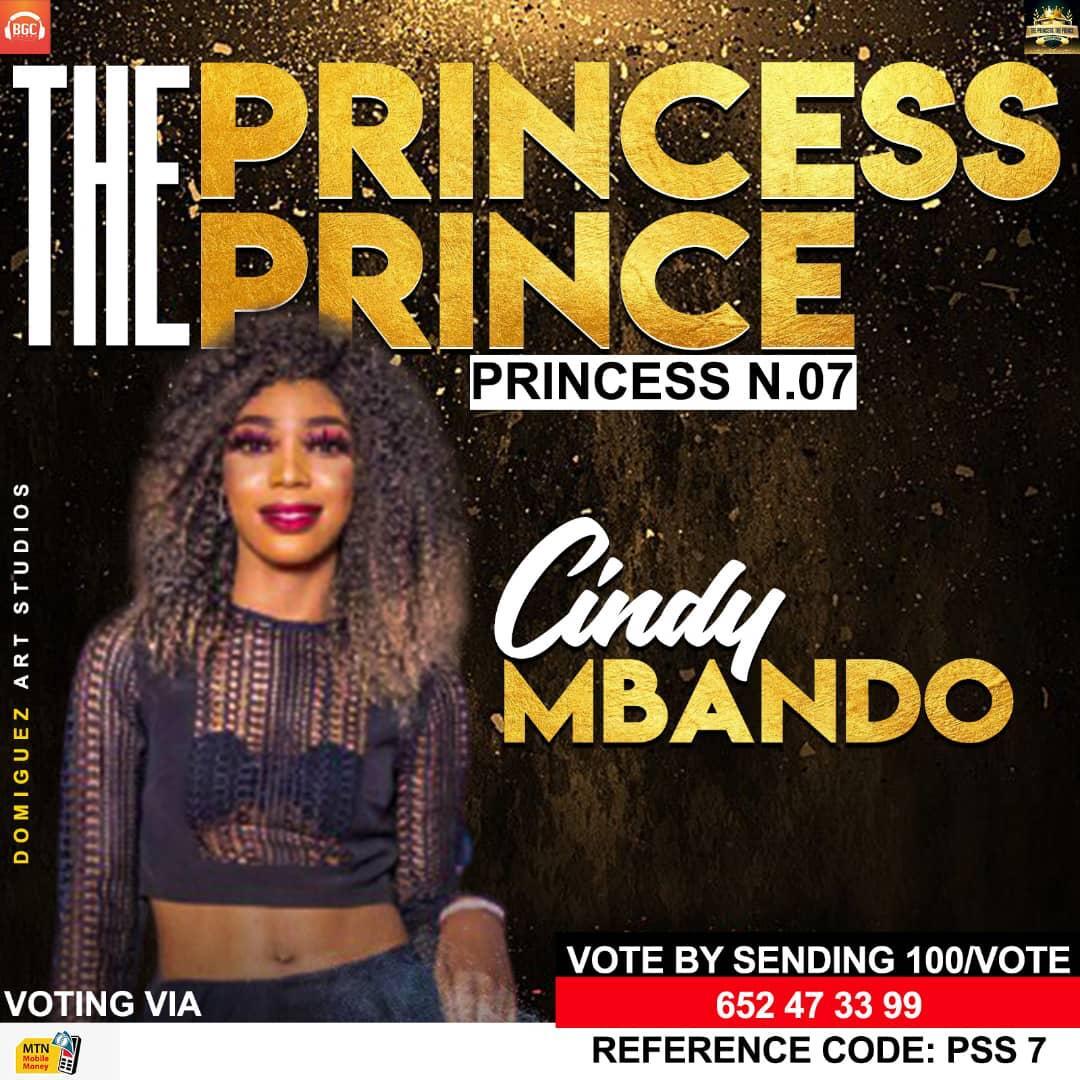
Cindy
-
Ziiana
-
Cameroonian artist Tasa
-


Comments
This post currently has no comments.