
Radio Plugging for Musicians That Gets Heard
A great song can move a crowd at a listening party and still miss the people who would replay it every morning. Radio plugging for musicians is the work of putting a release in front of the right stations, DJs, producers, and presenters with a clear reason to care. For African and diaspora artists, it can connect a local movement to listeners across cities, countries, and cultures.
Radio is not just about hearing your name on a major FM station. It is about trust. A respected presenter playing your record tells listeners that your music belongs in the conversation. That validation can support streaming growth, strengthen a live-show pitch, give press teams a real story to work with, and help new fans remember the artist behind the song.
What Radio Plugging Really Does
Radio plugging is a targeted promotional campaign built around a specific release. A plugger does not simply send the same MP3 to hundreds of generic email addresses and wait for magic. The job is to identify suitable outlets, introduce the artist and record professionally, follow up with programming teams, collect feedback, and pursue airplay where the song has a real chance to connect.
For an Afrobeats single with dance-floor energy, that could mean diaspora stations, specialist mix shows, college radio, urban music programs, online stations, and DJs who shape weekend playlists. A soulful Afro-pop record may suit tastemaker programs, cultural shows, or stations with a strong adult audience. The right route depends on the sound, the artist’s story, the territory, and what the release is trying to achieve.
This is why a radio campaign should never be treated as a shortcut to fame. Stations have limited slots, presenters protect their audience’s attention, and most programmers receive more music than they can play. Strong plugging creates opportunity, but the record must still earn its place.
Start With a Release Worth Supporting
The best radio campaign begins before the first pitch is written. Your single needs a clean final master, accurate title and artist information, cover art, release date, and a clear version suitable for broadcast. If explicit language is present, prepare a properly edited clean version. Do not assume a DJ or producer will make one for you.
Timing matters as much as quality. Pitching a song after its release hype has disappeared makes the plugger’s work harder. Give the campaign room to build. A practical window often starts several weeks before release, allowing outlets to preview the record, schedule interviews, or add it to upcoming programming. Some stations move quickly; others plan music weeks in advance.
Your artist identity must also be ready. A presenter may love the track, search for you, and decide within minutes whether there is a story worth sharing with listeners. Make sure your social channels, artist bio, current images, streaming profiles, and music video or visualizer all represent the same release era. Confusion costs momentum.
Build a pitch, not a biography
A radio pitch should make the song easy to understand. Lead with the artist, track, genre, release date, and the strongest angle. That angle might be a new sound connecting Cameroon and the U.S. diaspora, a breakout collaboration, a major performance, a cultural moment, or a visual campaign already gaining attention.
Keep it concise. A busy music director does not need a long personal history before hearing the record. They need to know why this track fits their listeners and what support is available around it. Include a short artist bio, clean audio, artwork, contact details, and any useful audience data, but let the music remain the center of the pitch.
Choose Stations by Fit, Not by Name
Every musician wants the biggest station possible. That ambition is healthy, but a campaign built only around major commercial radio can waste a strong record. National and large-market stations are competitive, often driven by established data, label relationships, listener research, and strict programming formats. An emerging artist may need credible specialist support before those doors open.
A smarter campaign creates layers. Community stations can reach culturally loyal listeners. College and independent outlets can introduce new artists to tastemakers. Internet radio can serve diaspora communities across borders. Regional stations can turn hometown interest into a measurable story. DJ mix shows can put a song next to records already shaping nightlife.
The aim is not to collect random spins. The aim is to reach listeners likely to become fans. A station with a focused Afrobeats audience in a key diaspora market may be more valuable than a larger outlet whose format has no place for your record.
Know the trade-off between reach and relevance
Broad reach can bring visibility, while niche radio can bring deeper engagement. Neither is automatically better. If your goal is a first U.S. introduction, specialist programs and diaspora stations may produce the most useful foundation. If you already have strong streaming numbers, media coverage, and a growing market presence, a larger-format approach may be realistic.
The campaign should match the release stage. A debut single needs discovery. A follow-up release may need proof of consistency. A project launch may need interviews and repeated plays across multiple territories. Ask what success looks like before spending money on a campaign.
Make Radio Part of the Full Campaign
Airplay works harder when it is connected to everything else. If a station supports the song, share the moment with your audience. Post a short clip when appropriate, thank the presenter, direct fans to listen, and use the coverage in conversations with promoters, bookers, and media outlets. The goal is not to brag about one spin. It is to turn every placement into another reason for people to pay attention.
This is where integrated music marketing creates an advantage. A radio push paired with press outreach, strong release visuals, social content, artist management, and video promotion gives audiences several ways to meet the artist. They may first hear the hook on radio, see the performance clip later, then save the track or buy a ticket when the artist comes to town.
BGC Melody approaches visibility with that wider picture in mind. Radio, press, digital release support, visual content, and artist positioning should reinforce one another rather than operate as separate tasks.
Measure More Than a Playlist Add
A good campaign provides reporting, but numbers need context. A list of station names is useful only if you know what happened there. Was the song played once, added to rotation, featured in a mix show, or used as part of an interview? Did the station reach a priority market? Did listeners respond through messages, follows, Shazams, streams, or event interest?
Track changes around the campaign period. Watch streaming activity by city, social engagement, audience growth, website visits, and requests for interviews or bookings. No single metric tells the whole story, especially for an artist building from the ground up. Consistent signals across channels are more meaningful than a large but isolated claim.
Be careful with guarantees. Ethical radio promotion can guarantee work, outreach, strategy, and reporting. It cannot honestly guarantee editorial airplay from independent stations or presenters. Anyone promising major radio rotation without discussing your music, market, and release plan deserves close scrutiny.
Build Relationships That Outlast One Single
Radio plugging is most effective when it is treated as relationship building, not a one-release transaction. Be professional when a station asks for assets. Respect deadlines. Show up prepared for interviews. Promote appearances to your audience. If a DJ supports your first record, do not disappear until you need another favor six months later.
The artists who develop lasting radio presence make it easy for media partners to work with them. They deliver good music consistently, communicate clearly, and bring an authentic point of view to every interview and performance. That reliability matters, particularly for independent African and diaspora talent competing for attention in crowded markets.
Your next release deserves more than a last-minute email blast. Give it a focused campaign, a clear audience, and enough time for the right people to hear it. When the record, the story, and the strategy move together, radio can become more than exposure – it can become the beginning of a real audience relationship.
Latest Movie
The Princess, The Prince Reality TV Show
Cindy MbandoContestant Number: Princess 07To vote for her, send momo to 652473399 and write PSS 07 as REFERENCE.NOTE: 1 vote is 100FCFA, and it is through the momo number given above. You can vote as many times as you can. Remember, momo vote is 70%.Also like, comment, and share this video as many times as possible to maximize her chances.The Princess, The Prince Reality TV Show.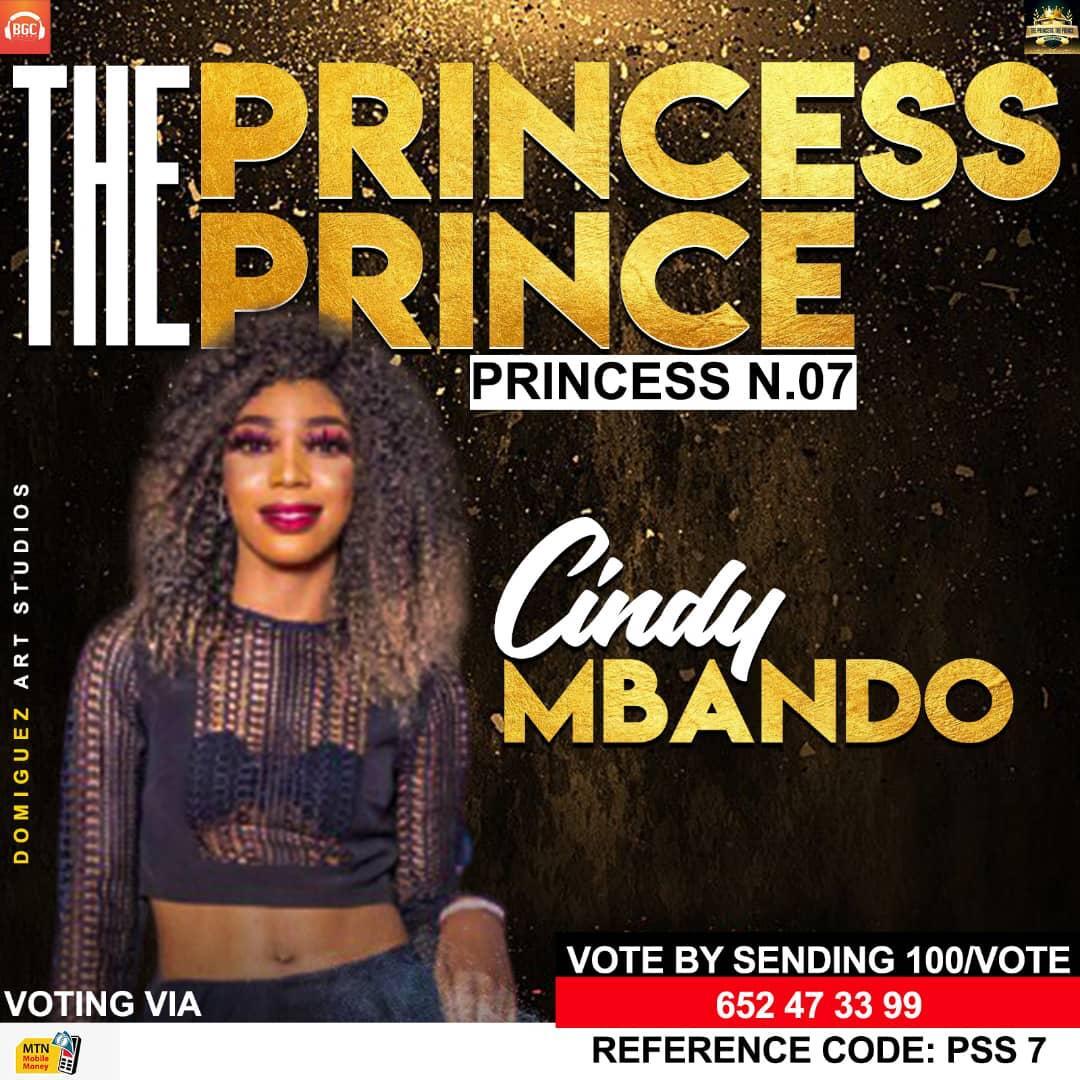
Cindy
-
Ziiana
-
Cameroonian artist Tasa
-






Comments
This post currently has no comments.