
Song Metadata Requirements for Every Release

A new Afrobeats single can have the hook, the cover art, the video rollout, and the right dance challenge – then lose money and visibility because its information was rushed at upload. Song metadata requirements are not admin work to leave until release night. They are the details that tell platforms who made the record, where royalties should go, and how fans, DJs, editors, and industry partners can find it.
For independent artists across Africa and the diaspora, clean metadata is part of professional positioning. A song that reaches a listener in Atlanta, Yaoundé, Kinshasa, or Berlin should carry the same clear credits, rights information, and release identity everywhere it appears.
What Song Metadata Requirements Actually Cover
Metadata is the structured information attached to a recording and its release. Some fields are public, such as the song title, artist name, featured artist, genre, artwork, and release date. Others work behind the scenes, including identifiers, ownership details, songwriter credits, publishing information, and territory rights.
Platforms, distributors, royalty systems, broadcasters, and music-recognition services use this data differently. A streaming service needs it to display a release correctly. A royalty collection workflow needs it to connect use of the music to the people entitled to payment. A radio plugger or music supervisor needs it to know which version is clean, who to contact, and whether the song can be cleared.
That is why “close enough” can create real problems. A spelling variation in an artist name can split a catalog. A missing producer credit can create conflict after a song starts moving. A wrong songwriter share can delay payments long after the release campaign has ended.
Start With a Single Release Record
Before uploading to a distributor, build one master release record. It can live in a shared spreadsheet or a release-management document, but it should be the source everyone uses: the artist, manager, producer, distributor, publicist, and video team.
Confirm the exact primary artist name first. Use the same capitalization, punctuation, spacing, and accents used on existing profiles. “K-Flow,” “K Flow,” and “KFLOW” may look similar to a person, but platforms can treat them as separate identities. If this is a debut release, decide the format now and keep it consistent across social profiles, artwork, press releases, and future releases.
Then lock the release title and track title. Avoid adding promotional language such as “New Hit,” “Out Now,” or unnecessary emojis to official titles. Those phrases belong in campaign copy, not permanent catalog data. If the release includes a featured artist, identify the feature in the designated artist field rather than typing it into the title unless the distributor specifically requires that format.
The master release record should also capture the version. Is it the original, radio edit, clean version, instrumental, acoustic version, remix, sped-up version, or live recording? Version labels help fans choose the right track and prevent confusion for DJs, stations, and licensing teams.
The Credits That Protect the Record
Credits are both cultural recordkeeping and commercial infrastructure. African music is highly collaborative: writers, vocal arrangers, beatmakers, session musicians, translators, engineers, and producers may all shape the final record. Credit them accurately from the beginning.
At minimum, collect each contributor’s legal name, professional name if different, role, contact details, and agreed ownership share where applicable. Separate songwriting from the sound recording. A person can write lyrics or melody, produce the beat, perform vocals, and own part of the master, but those are different rights and should not be blended into one vague “credit.”
Songwriter information relates to the composition – the lyrics and music. Publisher information identifies the party administering those songwriting rights. Master ownership identifies who owns the actual recorded audio. The copyright line for the composition and the copyright line for the sound recording may be owned by different people or companies.
Do not guess at splits after the track is already online. Get written agreement while memories are fresh and relationships are positive. This matters especially when a song was created in a studio session with multiple writers, or when a producer sent a beat under terms that were never properly documented. A split sheet is not glamorous, but it can prevent a hit record from becoming a dispute.
Identifiers: ISRC, UPC, and More
Every sound recording needs an ISRC, or International Standard Recording Code. This identifies one specific recording. A new recording of the same song, a remix, and a live version each need their own ISRC. Do not reuse one simply because the title is the same.
A UPC, sometimes called an EAN, identifies the overall release package: a single, EP, or album. An album can have one UPC and multiple track-level ISRCs. Your distributor may assign these codes, or your team may already have them. Either approach can work, but record them carefully and never lose the connection between the code and its exact version.
You may also need songwriter and publisher identifiers, performance-rights organization details, and contributor identifiers used by collecting societies. Requirements vary by distributor and territory, so the practical rule is simple: provide complete information early, then retain a secure copy outside the distributor dashboard.
Match Metadata to the Actual Music
The information should describe what listeners will hear. Mark explicit content correctly. Choose the language of the lyrics accurately, especially for songs that move between English, French, Pidgin, Lingala, Duala, Yoruba, Swahili, or other languages. Select a genre that helps the audience find the record without forcing it into a category that does not fit.
Genre choices can be imperfect. A record may sit between Afrobeats, Afro-pop, rap, amapiano, dancehall, gospel, or R&B. Choose the closest primary category, then use any available secondary category with intention. The goal is not to win a labeling argument. The goal is to place the release where the right listeners and platform systems can understand it.
Artwork must match the release title and artist name, and it must be cleared for commercial use. If the cover shows a model, a recognizable location, a logo, or a photograph taken by someone else, confirm permission before distribution. The same standard applies to samples, interpolations, and featured vocals. Metadata cannot repair an uncleared use of someone else’s work.
A Pre-Delivery Check for Every Team
Before delivery, have one person review the final release record against the audio, artwork, contracts, and distributor form. This review is worth slowing down for because changes after release can take time, and some corrections may affect links, editorial pitches, or royalty matching.
Use this final check:
- The artist name, release title, track titles, and featured artists are identical across artwork, audio files, distributor fields, and campaign materials.
- Every writer, producer, performer, engineer, and rights owner has been credited in the correct role.
- Songwriting splits, publishing details, master ownership, and copyright lines match signed agreements.
- Each recording has the correct ISRC, the release has the correct UPC, and no code has been reused for a different version.
- Explicit status, language, genre, release date, territories, and version labels accurately describe the release.
- The audio master, cover art, sample clearances, feature permissions, and contact information are complete and approved.
Not every platform exposes every credit field to fans, and not every distributor offers identical options. That is the trade-off. Still, submit the fullest accurate data available. A missing display credit may be frustrating; a missing ownership record can be expensive.
Metadata Is Part of the Campaign
Good metadata makes the release easier to market. It gives a publicist the correct contributor names for a press release. It helps a radio team identify the clean edit. It gives an artist manager reliable information when pitching a brand partnership, event booking, or sync opportunity. It also protects the story behind the music, including the producers and writers whose work gives the record its identity.
At BGC Melody, release readiness is bigger than getting a track onto stores. It is about presenting African and diaspora talent with the level of detail expected in serious music markets. When the credits are right, the rights are clear, and the release information is consistent, your team can spend launch week driving listeners to the music instead of chasing corrections.
Treat metadata as part of the final master, not an afterthought. The song may start with a voice, a beat, and a moment of inspiration. Its long-term value depends on whether the industry can recognize who created it and where that value belongs.
Latest Movie
The Princess, The Prince Reality TV Show
Cindy MbandoContestant Number: Princess 07To vote for her, send momo to 652473399 and write PSS 07 as REFERENCE.NOTE: 1 vote is 100FCFA, and it is through the momo number given above. You can vote as many times as you can. Remember, momo vote is 70%.Also like, comment, and share this video as many times as possible to maximize her chances.The Princess, The Prince Reality TV Show.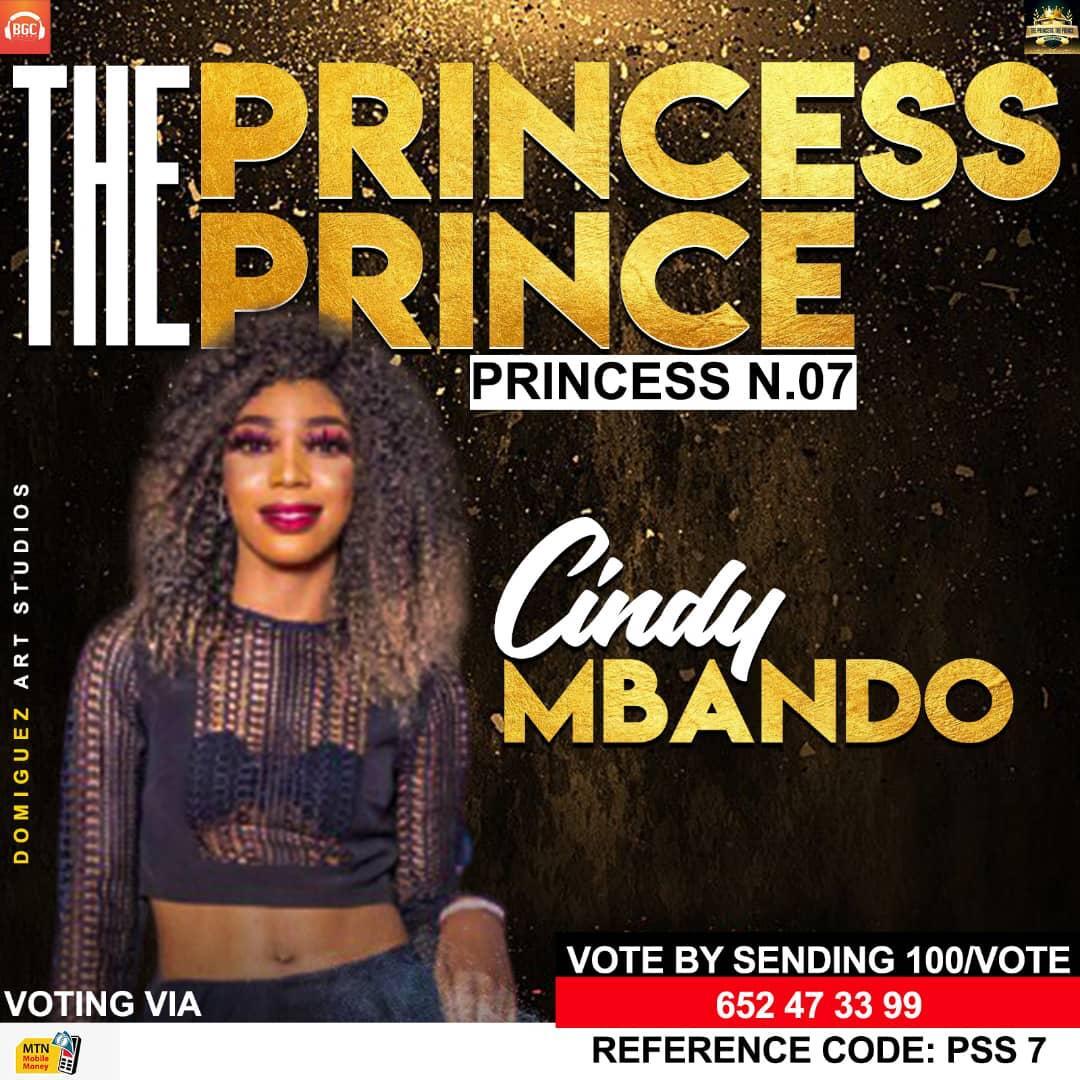
Cindy
-
Ziiana
-
Cameroonian artist Tasa
-








Comments
This post currently has no comments.