
Who Owns Masters? Rights Behind Every Release

A record can take months to write, fund, record, mix, and promote. Then one signature can determine who controls it for decades. That is why the question, who owns masters, belongs in the conversation before a release date, a music video shoot, or a label announcement. For independent African and diaspora artists building global audiences, master ownership is not paperwork on the side. It affects income, approvals, catalog value, and the freedom to move when your career grows.
What a master actually is
A master is the original sound recording of a song. It is the recorded performance and production that listeners hear on DSPs, radio, social media, music video platforms, and physical releases. If an Afrobeats artist records a new single with a producer, the finished audio file is the master recording.
The master is different from the composition. The composition is the underlying song: lyrics, melody, and musical structure. Songwriters and publishers generally control composition rights. The owner of the master controls the particular recorded version of that song.
That distinction matters because one track can generate multiple rights streams. A songwriter may earn publishing income while a label or artist earns money from use of the master recording. If a filmmaker wants to use a record in a scene, or a brand wants the original track in a campaign, they may need approval from both sides.
Owning the master does not mean owning every right connected to the song. But it usually gives a person or company major power over how that specific recording is released, licensed, monetized, remixed, or removed.
Who owns masters when a song is recorded?
There is no one answer. Master ownership depends on the agreements, the money, and the role each party played in making the recording. The person who wrote the song is not automatically the master owner. The artist performing it is not automatically the master owner either.
If an independent artist pays for studio time, producer fees, mixing, mastering, cover art, and distribution, that artist will often own the master, provided the contracts say so. This is common for self-funded releases and artists operating through their own company.
If a record label pays for the recording under a traditional recording agreement, the label commonly owns the masters. In exchange, the label may provide an advance, A&R direction, recording budget, distribution, marketing, video support, radio promotion, and access to industry relationships. That investment can help an artist reach a larger market. The trade-off is that the label may control the recordings long after the release campaign ends.
A management company does not automatically own an artist’s masters. A distributor does not automatically own them either. In many modern distribution arrangements, the artist retains ownership while the distributor delivers the release to platforms and takes a fee or revenue percentage. Still, the contract controls. Never assume that a service called “distribution,” “marketing,” or “development” leaves ownership untouched.
The producer’s role can change the answer
A producer may receive a fee, royalty points, a share of master income, or some combination of all three. That does not always make the producer a co-owner of the master. It depends on the producer agreement.
For example, an artist may pay a producer a flat fee and receive a written assignment of any master rights the producer could claim. In another deal, a producer may retain partial ownership of the recording, especially when they financed the session, developed the artist, or contributed substantially beyond making the beat.
Beat leases require extra attention. A non-exclusive lease may allow several artists to use the same instrumental under defined conditions. An exclusive license may give one artist broader rights, but “exclusive” still does not necessarily mean the artist owns the master outright. Read what the license says about ownership, release limits, sync licensing, content ID, and future use.
Label ownership versus artist ownership
Label-owned masters are not automatically bad deals. A capable label can turn a promising record into an international campaign through focused investment, media outreach, visual content, playlist strategy, radio plugging, partnerships, and tour support. For an emerging artist, the right partner can offer infrastructure that self-funding cannot yet match.
The concern is not simply whether a label owns masters. The concern is whether the deal is fair, clear, and proportional to what the label is actually providing.
A strong agreement identifies how long the label controls the recordings, which territories are included, what revenue is recoupable, and how royalties are calculated. It should also explain whether the artist can approve major licenses, whether the label must actively release the music, and what happens if the label stops working the project.
Artist-owned masters offer more long-term control. The artist can negotiate licenses directly, move to a new distributor, sell or borrow against the catalog, and decide where the music appears. Yet ownership also means carrying the cost and responsibility of building the release. A master sitting unreleased or poorly marketed may be fully owned but commercially underused.
For many artists, the best fit is not a traditional ownership transfer. It may be a limited-term license. In a licensing deal, the artist keeps ownership while granting a label the right to exploit the master for a set period. After that term, rights return to the artist. This structure can create room for professional campaign support without giving away the catalog forever.
Clauses that deserve real attention
Before signing, artists should understand the business language surrounding the master. These points are too consequential to handle through verbal promises or quick messages.
- Ownership and assignment: Does the agreement transfer master ownership permanently, or does it grant a license for a specific term?
- Term and reversion: When does control return to the artist, if ever? Is there a clear reversion date?
- Recoupment: Which costs can the company recover from royalties, and is there a cap or approval process for spending?
- Royalty accounting: What percentage does the artist receive, from which revenue sources, and how often are statements delivered?
- Creative approvals: Can the owner license the record to a brand, film, game, or political campaign without artist consent?
- Release commitment: Must the company release the music within a stated period, or can it hold the master without a campaign?
Also ask about options. A label option gives the company the right to claim future projects if certain conditions are met. An artist may sign for one EP and later discover that the agreement reaches multiple albums, side projects, remixes, or recordings made during the term.
Master ownership and samples, features, and remixes
A master can become complicated fast when other recordings are involved. If a new track samples an existing song, the artist may need permission from the composition owner and the owner of the sampled master. Clearing only one side is not enough.
Featured artists should also have written terms. A feature agreement can address credit, payment, royalty participation, promotional expectations, and approval for future uses. Without a clear agreement, a hit record can create friction just when it should be creating momentum.
Remixes need the same discipline. The owner of the original master may control whether a remix can be commercially released. Even if a DJ or producer creates a powerful new version, they should not assume they can distribute it simply because they have access to the track.
How artists can protect their recordings from day one
Keep a clean release file for every song. Save signed producer agreements, beat licenses, feature agreements, split sheets, invoices, session files, final masters, artwork licenses, and distribution terms. Store the documents in more than one secure location and use clear file names tied to the release.
Register ownership data accurately wherever your music is delivered and administered. Make sure the artist name, label name, ISRC, producer credits, writers, and rights-holder information match across platforms and paperwork. Metadata errors can delay payments, create ownership disputes, and make catalog management harder later.
If a partner contributes money, ask whether the contribution is an investment, a recoupable advance, a loan, or payment in exchange for ownership. Those are very different arrangements. Put the answer in writing before recording begins, not after the song starts gaining traction.
For artists preparing a serious release, professional review is worth the cost. An entertainment attorney can explain the effect of an agreement in the artist’s actual market and identify clauses that may look standard but carry major consequences. Agencies and release partners can support visibility and campaign execution, but legal ownership should always be documented with precision.
Build the catalog you want to inherit
A master is more than this month’s single. It can become a long-term asset that earns from streaming, licensing, neighboring rights, compilations, reissues, and future catalog deals. It can also become part of the legacy an artist leaves for family, collaborators, and the next generation of listeners.
BGC Melody works in an industry where a strong release needs both cultural energy and commercial structure. Before you press upload, ask the direct question: who controls this recording, for how long, and on what terms? The best time to protect your future catalog is while the song is still in the studio.
Latest Movie
The Princess, The Prince Reality TV Show
Cindy MbandoContestant Number: Princess 07To vote for her, send momo to 652473399 and write PSS 07 as REFERENCE.NOTE: 1 vote is 100FCFA, and it is through the momo number given above. You can vote as many times as you can. Remember, momo vote is 70%.Also like, comment, and share this video as many times as possible to maximize her chances.The Princess, The Prince Reality TV Show.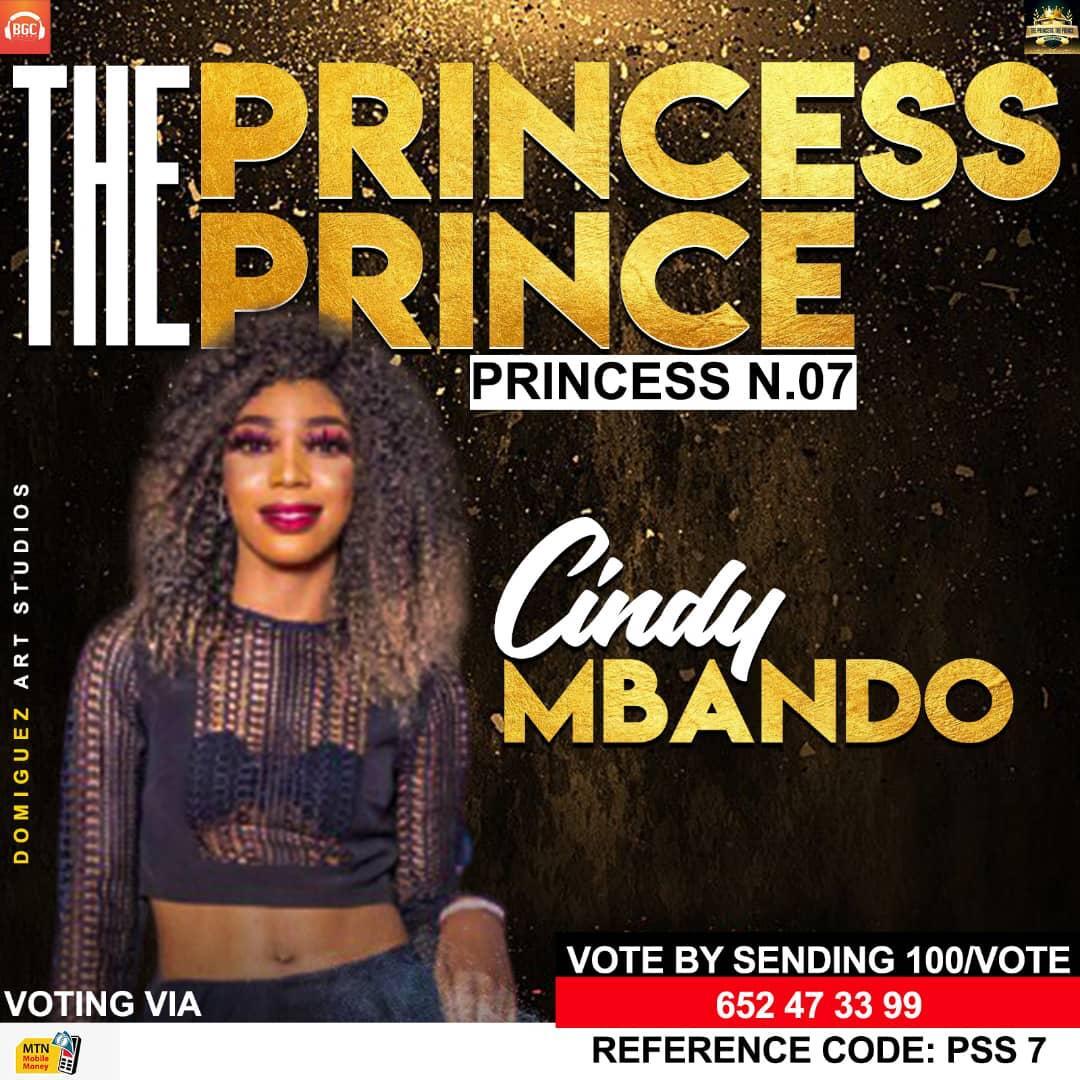
Cindy
-
Ziiana
-
Cameroonian artist Tasa
-








Comments
This post currently has no comments.