Characteristics and Overview of Online Casino Games in Germany
The rise of online casino games has transformed the way people engage with gambling entertainment, providing a convenient and accessible alternative to traditional brick-and-mortar casinos. In Germany, the popularity of online casino games has grown steadily over cobra casino login the years, driven by advances in technology, increasing internet penetration, and a more relaxed regulatory environment.
Overview
Online casino games are digital versions of classic table games and slot machines, available for play on personal computers, mobile devices, or other platforms. These games typically replicate the experience found at physical casinos, with users able to place bets, win rewards, and interact with others in real-time. The vast majority of online casino games operate using Random Number Generators (RNGs), ensuring a level playing field for all participants.
Game Types
Online casinos offer an impressive array of game types, catering to diverse preferences and skill levels. These include:
- Slots: A wide range of video slots featuring various themes, paylines, and bonus features.
- Table Games: Digital versions of traditional table games like Roulette, Blackjack, Baccarat, Craps, and Poker.
- Live Dealer Games: Real-time interactive experiences with live dealers operating real gaming equipment.
Game Providers
The industry has seen the emergence of numerous game providers, each offering distinct software packages. These companies typically develop proprietary game engines, incorporate unique mechanics, and create immersive user interfaces to differentiate their offerings from competitors. Examples include:
- Microgaming
- NetEnt
- Playtech
- Novomatic
Legislative Framework
Germany’s regulatory environment for online casino games is governed by the State Treaty on Gambling (Glücksspielstaatsvertrag). This agreement stipulates that only licensed operators can offer regulated services within the country. To obtain a license, providers must demonstrate compliance with local and EU laws.
User Experience and Accessibility
Online casinos aim to provide seamless experiences for users across various platforms and devices. Many sites now prioritize mobile compatibility, incorporating responsive design principles to ensure intuitive navigation on smaller screens. Some popular features include:
- Quick registration processes
- Intuitive user interfaces
- Secure payment options
Responsible Gaming Considerations
As with traditional gambling establishments, online casinos bear a responsibility towards promoting responsible gaming practices among users. This includes measures such as:
- Implementing reality checks and session limits
- Providing resources for problem gamblers (e.g., support hotlines)
- Offering deposit caps or self-exclusion options.
Comparison between Real Money and Free Play Modes
While playing with real money can amplify the excitement of online casino games, it’s essential to understand that free play modes also have their own advantages. These include:
- Trial-and-error practice without financial risks
- Opportunities for skill-building before committing real funds. However, engaging in free play sessions may still be subject to individual limits and rules set by the operator.
Taxation of Online Casino Winnings
When playing with real money, users must familiarize themselves with German tax laws regarding online casino winnings. Taxable gains on gaming profits are assessed according to specific guidelines outlined within local legislation.
Game Security and Fairness
Online casinos rely heavily on technology to maintain secure environments for users. Operators typically employ robust encryption methods (e.g., SSL/TLS) for data protection and confidentiality. Moreover, third-party testing agencies audit software components to ensure fairness through regular audits of RNG outputs.
Limitations and Challenges
Despite the many benefits associated with online casino games in Germany, several challenges persist:
- Problem gambling tendencies among users.
- Misconceptions surrounding game odds or ‘winning potential.’
- Issues related to cross-border transactions and taxation implications for international players.
Comparison between German Online Casinos and Their European Neighbors
By benchmarking its policies against other major EU member states (e.g., the UK), it becomes clear that Germany is part of a broader regulatory landscape:
The differing approaches towards online gambling, including varying tax structures or age requirements. Divergent views on cross-border services.
Gamification Strategies in Online Casinos
In order to maintain player engagement and interest within their platforms, operators use various gamification techniques. This includes features such as:
- Progressive Jackpot mechanisms
- Leaderboards for tournaments or individual performance tracking.
Responsible Gaming and Regulation
It’s essential for online casinos to collaborate with regulatory bodies and independent third-party testing agencies in developing responsible gaming strategies that:
Reduce risk of problem gambling tendencies among users. Increase awareness about potential pitfalls associated with excessive gaming behavior.
International Cooperation on Responsible Gaming Practices
As the global gaming industry expands its reach across borders, it becomes increasingly important for companies involved in online casino operations to participate actively within regulatory bodies and organizations (e.g. European Casino Association or European Lotteries).
Security Considerations
The ever-evolving cybersecurity threat landscape requires a holistic approach towards security:
Risk assessments of various components used in game development (including RNGs) Collaboration with law enforcement agencies for tracking suspicious activity.
Impact on Local Communities and Traditional Land-Based Casinos
It’s worth exploring whether online casino games have had an overall positive or negative effect on the local gaming market. Potential arguments include:
Economic benefits associated with attracting international visitors to licensed German operators Loss of foot traffic at traditional brick-and-mortar venues due to competition from remote offerings
Latest Movie

The Princess, The Prince Reality TV Show
Cindy MbandoContestant Number: Princess 07To vote for her, send momo to 652473399 and write PSS 07 as REFERENCE.NOTE: 1 vote is 100FCFA, and it is through the momo number given above. You can vote as many times as you can. Remember, momo vote is 70%.Also like, comment, and share this video as many times as possible to maximize her chances.The Princess, The Prince Reality TV Show.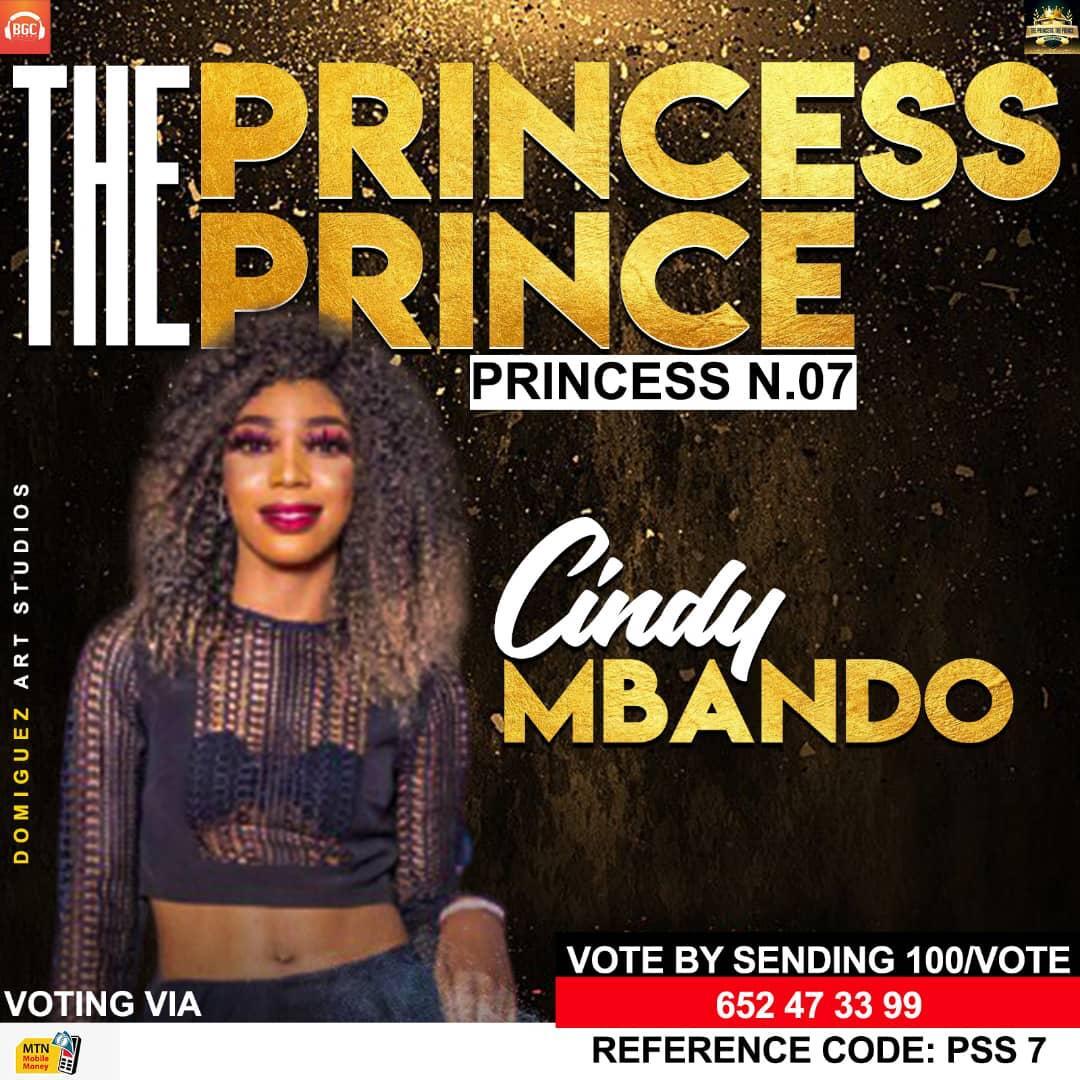
Cindy
-
Ziiana
-
Cameroonian artist Tasa
-