
How to Market African Artists Across Borders

A great record can travel from Yaounde, Kinshasa, Lagos, or Berlin to Arlington, Atlanta, and Los Angeles in a weekend. But attention does not move on talent alone. Knowing how to market African artists means building a clear story around the music, then placing that story where fans, DJs, curators, journalists, and bookers can act on it.
African music is not one market, one sound, or one audience. An Afrobeats artist, Congolese rumba performer, Cameroonian rapper, amapiano producer, and diaspora pop singer may share cultural roots while needing completely different release strategies. The job is not to make the artist look global by making them generic. The job is to make their identity easy to understand, easy to discover, and impossible to overlook.
Start With an Artist Position, Not a Playlist Pitch
Before sending music to blogs or posting a teaser, define what the artist stands for. A strong position gives every campaign a center. It answers practical questions: What sound is this artist known for? What language or cultural scene do they represent? What emotion does the audience get from the music? Why should someone listen now rather than scroll past?
Avoid broad descriptions such as “versatile African artist.” Versatility may be true, but it rarely gives listeners a reason to care. Be specific. An artist might be a bilingual Cameroonian pop voice mixing Makossa rhythms with current Afrobeats, or a diaspora rapper using French, Lingala, and English to tell migration stories. That detail helps media outlets write about the artist, helps fans identify with them, and helps industry professionals know where to place the record.
The artist profile should match the music. Photos, cover art, video styling, social captions, and interviews should feel like parts of the same world. A polished identity does not require expensive excess. It requires consistency and a point of view.
Build the Release Around One Main Moment
Too many independent artists release songs with no runway: a cover appears, a link goes live, and the campaign ends two days later. Treat every single, EP, or video as a focused campaign with a beginning, a release-day push, and a follow-through period.
Start preparing four to six weeks ahead when possible. Confirm that the track metadata, cover art, artist name, songwriter credits, and distribution details are accurate. Create short-form visual assets in vertical format, a clean press photo, a short artist bio, and a release description that does not sound copied from every other announcement.
Choose one main angle for the campaign. It may be the chorus, the dance challenge, a music-video scene, the artist’s personal story, a feature, or a cultural moment connected to the record. Trying to promote every feature of a song at once weakens the message. One memorable entry point makes a listener more likely to press play.
Release day should feel active, not accidental. Use the artist’s channels to direct audiences toward listening, watching, sharing, and saving. Then continue the conversation after the first post. Show studio footage, lyric breakdowns, fan reactions, performance clips, and the people behind the release. The song is the product, but the campaign is the repeated reason to return to it.
Market African Artists Through Culture, Not Stereotypes
The strongest African music marketing respects context. A campaign should make room for the language, fashion, humor, dance, city, and community that shaped the record. Those are not decorations added after the music is finished. They are often the reason a global audience finds the song distinctive.
That does not mean every campaign must be educational. Fans want to feel energy before they read an explanation. A sharp visual, a commanding hook, or a compelling performance can carry the first interaction. Context can then deepen the connection through captions, interviews, behind-the-scenes footage, and media stories.
Be careful with the label “African music” as a catch-all. It can help discovery, especially for new listeners, but it should not erase the artist’s actual genre and scene. Lead with the most useful description: Afro-pop, hip-hop, gospel, dancehall, R&B, rumba, amapiano, alternative pop, or another accurate category. Cultural identity should add precision, not become a marketing shortcut.
Put Video at the Center of Discovery
For emerging artists, visual content is often the fastest route from unfamiliar name to recognizable presence. A full music video can establish status, but it is not the only asset that matters. Short clips with performance energy, a clear hook, expressive movement, or a relatable line can introduce the song to new audiences repeatedly.
Plan visual production with distribution in mind. Shoot enough material to create a full video, short vertical edits, artist introduction clips, rehearsal footage, photo content, and clean promotional cuts. One production day should support several weeks of marketing.
Quality matters, but the right level of production depends on the record and the artist’s stage. A new act may gain more from three well-edited performance clips than from spending an entire budget on one cinematic video with no promotion behind it. For a major single, a bigger visual can give press and radio teams a stronger story to work with. The trade-off is simple: do not spend all the campaign money before the audience has a chance to see the work.
Earn Press and Radio Attention With a Real Story
Media outreach works best when it is targeted. Journalists, bloggers, DJs, and radio programmers receive constant submissions. Sending the same generic email to everyone is easy to ignore. Give each contact a reason the release fits their platform and audience.
A useful press package includes the music, a concise biography, high-resolution images, release details, social handles, and a short pitch. The pitch should lead with what is current: a debut EP, a video premiere, a cross-border collaboration, a tour date, a growing fan response, or a meaningful story behind the record. Keep it direct. The recipient should understand the artist and the news in a few lines.
Radio still matters, especially where community stations, specialty shows, college programs, and diaspora broadcasters lead local music conversations. A radio strategy should identify shows that already play related sounds and serve the communities most likely to respond. Airplay alone is not the goal. The goal is credibility, repeat listening, interview opportunities, and a wider path into live events.
Use Diaspora Communities as Active Markets
The diaspora is not an afterthought or a single audience. African communities across the United States, Canada, Europe, and beyond have their own cities, campuses, nightlife, media outlets, faith communities, promoters, and cultural events. An artist from the continent may find their first dependable international supporters through these networks.
Look for places where the music already has a natural reason to exist. A Congolese artist may connect through dance communities and regional cultural events. A Cameroonian performer may find momentum through student associations, community radio, and diaspora promoters. An Afrobeats act may have opportunities through DJs, themed events, and creator communities that follow new dance records.
Partnerships should be mutual. Do not only ask a community page or promoter to post the song. Offer a premiere, a short interview, event attendance, ticket giveaways, a performance appearance, or a content collaboration. The best relationships create repeated visibility rather than a single mention.
Turn Audience Data Into Better Decisions
Marketing should feel creative, but it should also be measured. Watch where streams, video views, comments, saves, and followers are coming from. Notice which clips attract new viewers and which posts drive real conversation. If one city consistently responds, it may be worth prioritizing radio, press, events, or paid promotion there.
Do not chase vanity numbers. A large view count with no listener retention, profile visits, saves, or ticket interest may not build a career. Smaller, highly engaged audiences can be more valuable when an artist is developing a live market or preparing a targeted release.
Paid advertising can help, but it works best after the creative direction is clear. Test more than one video clip and audience segment. Give the campaign enough time to gather meaningful results, then direct spending toward content that already earns attention. Ads can expand momentum. They cannot create a connection that the music and artist identity have not established.
Create a Team That Can Carry the Campaign
Artists should not have to become full-time publicists, video editors, distributors, managers, and booking agents to be taken seriously. Even a small release needs defined roles. Someone must own the schedule, someone must manage media outreach, someone must organize assets, and someone must follow up on opportunities.
This is where integrated support changes the pace of an artist’s growth. BGC Melody approaches campaigns through the connected work of artist development, digital promotion, press, video, radio, and representation. When those pieces communicate, a video premiere can support a radio push, a press feature can support booking outreach, and an event appearance can create content for the next release.
The goal is not to appear everywhere at once. It is to show up consistently in the places that move the artist forward. Build each campaign with a clear identity, a reliable release calendar, visual proof of the artist’s world, and direct paths for people to listen, watch, share, and book. When the right audience recognizes itself in the music, growth becomes more than a moment – it becomes a market.
Latest Movie
The Princess, The Prince Reality TV Show
Cindy MbandoContestant Number: Princess 07To vote for her, send momo to 652473399 and write PSS 07 as REFERENCE.NOTE: 1 vote is 100FCFA, and it is through the momo number given above. You can vote as many times as you can. Remember, momo vote is 70%.Also like, comment, and share this video as many times as possible to maximize her chances.The Princess, The Prince Reality TV Show.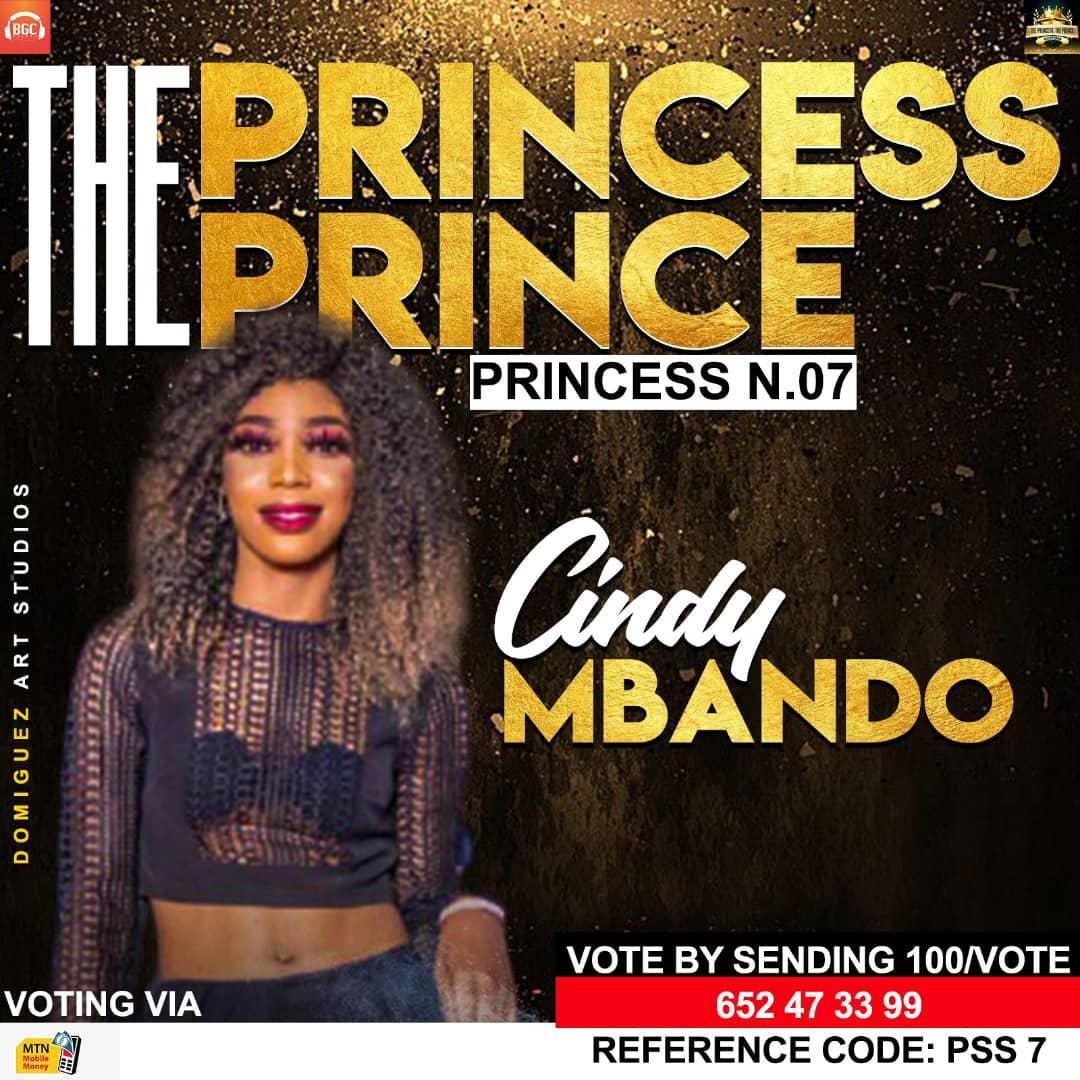
Cindy
-
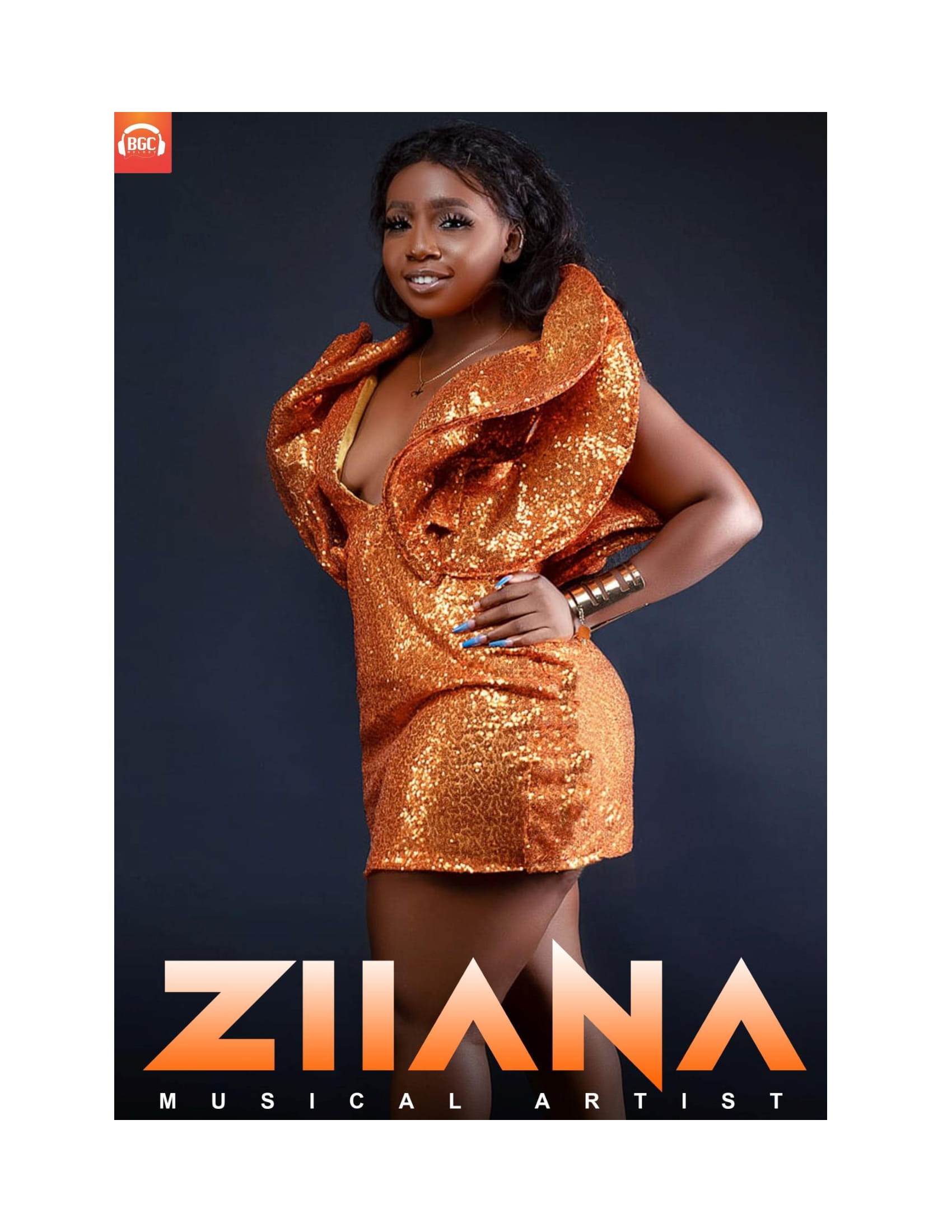
Ziiana
-
Cameroonian artist Tasa
-



Comments
This post currently has no comments.