
African Pop Trends Shaping the Next Global Sound
A record can break in Accra, catch fire in Johannesburg, find its dance challenge in Atlanta, and fill a diaspora club in Washington, DC before a major media outlet has named the sound. That speed is changing the business around African pop trends. For artists, managers, DJs, and independent labels, the opportunity is real, but so is the pressure to turn attention into a career with structure.
The most exciting movement is not one genre replacing another. It is a wider African and diaspora music economy where local identity travels farther when the release strategy, visuals, partnerships, and artist story are ready to travel with it. A catchy record still matters. So do the teams behind it.
African Pop Trends Are Becoming More Local, Not Less
The global growth of Afrobeats created a useful gateway, but it also flattened the way many listeners talked about African music. “Afrobeats” became a shortcut for a much larger set of sounds, scenes, and languages. That shortcut is getting less useful as audiences become more curious and more specific.
Amapiano continues to influence club programming, pop production, and choreography well beyond South Africa. Congolese rumba and ndombolo remain essential reference points for melody, guitar work, movement, and performance energy. Cameroonian pop brings makossa, bikutsi, urban rap, and bilingual songwriting into its own contemporary lane. East African artists are pushing bongo flava, gengetone, Afro-pop, and electronic crossovers with growing confidence.
For an artist, this is good news if the music has a clear home. Trying to sound universally acceptable can make a release disappear into a crowded playlist economy. A recognizable rhythm, vocal approach, language choice, fashion identity, or regional reference gives fans something to attach to. Global reach does not require sanding down the details that made the record compelling in the first place.
That does not mean every song must be designed as a cultural lesson. Pop should still feel immediate. The point is that specificity creates recall. A listener may not understand every lyric, but they can recognize a voice, a cadence, a drum pattern, or a visual world within seconds.
The Song Is Now Only One Part of the Release
A strong single no longer arrives alone. It arrives with cover art, a visualizer or official video, short performance clips, studio footage, press angles, radio servicing, audience prompts, and a clear artist profile. Listeners have more music than they can process, so a release needs multiple entry points without becoming overproduced or fake.
Music video culture is especially important across African and diaspora audiences. A video does more than decorate the track. It shows the artist’s confidence, style, community, and scale. It gives DJs, bloggers, presenters, fans, and potential brand partners an image they can use to place the artist in the market.
Budget determines execution, but not whether a visual plan is necessary. An emerging act may not need a cinematic production for every release. They do need footage that looks intentional, sounds clean, and supports the record’s identity. One well-directed video, several vertical performance cuts, and behind-the-scenes content can outperform a costly shoot that has no rollout plan.
This is where professional planning earns its value. Before release day, teams should know the lead asset, the target listener, the key territories, the media story, and the action they want people to take. Is the priority streams, downloads, radio rotations, ticket sales, a booking conversation, or artist discovery? The answer changes the campaign.
Short-Form Attention Needs Long-Form Artist Development
A fifteen-second clip can introduce a record to millions. It can also create the illusion that a career has arrived when only one moment has. Viral traction is useful, but it is not a substitute for a catalog, live performance ability, fan communication, or reliable follow-up releases.
The healthiest African pop campaigns treat short-form platforms as discovery engines, not the full business model. A dance moment can lead listeners to a complete song. A funny personality clip can lead them to an artist interview. A studio snippet can lead to pre-saves, video views, show attendance, and direct fan relationships. Each format should move people somewhere meaningful.
Artists should resist posting only when a single drops. Consistency does not require flooding feeds with random content. It means giving fans recurring reasons to recognize the artist: rehearsal clips, live-band moments, song explanations, fashion shoots, creative collaborators, hometown stories, and honest progress updates. The goal is familiarity. People support artists they feel they know.
There is a trade-off. Chasing every trend may create reach but confuse the brand. Being too polished or too private may protect the image but slow discovery. The right balance depends on the artist’s personality and audience. A high-energy dance act can post more frequently and experimentally. A private singer-songwriter may benefit from fewer, stronger moments built around music and visual storytelling.
Collaborations Are Becoming Market Strategy
Cross-border collaborations are no longer just celebratory features. They are practical routes into new audiences. A collaboration can connect Lagos to London, Kinshasa to Paris, Yaoundé to Houston, or Nairobi to Toronto. When it is done well, both artists gain credibility because the partnership feels musically natural rather than commercially forced.
The best collaborations begin with shared chemistry, not a spreadsheet. Fans can hear when two artists are trying to borrow each other’s markets without sharing a creative point of view. A good feature has a purpose: a contrasting vocal tone, a new language, a different rhythm section, or a performance energy that elevates the hook.
Business details still matter. Splits, publishing, credits, clearance, release timing, and promotional responsibilities should be discussed early. Too many promising records lose momentum because the team is negotiating basic terms after the teaser has already gone live. Professional documentation protects relationships and keeps the campaign moving.
For diaspora artists, collaborations can also bridge cultural distance. An artist raised in the United States may bring a different songwriting perspective, while an artist based in Africa brings direct connection to a local scene. Neither position is more authentic by default. The record must make the connection believable.
Live Performance Is Returning to the Center
Streaming creates awareness, but live performance proves demand. African pop is built for physical response: dance floors, festivals, community events, campus shows, family celebrations, clubs, and concert halls. Promoters want artists who can hold a room, not only collect views.
This is why rehearsal, stage direction, playback discipline, dancers, band choices, and microphone technique are commercial assets. A memorable live clip can earn bookings that a polished photo cannot. It also tells the audience that the artist has a future beyond the current single.
Artists do not need to begin with large venues. Strategic smaller shows can build a stronger foundation if the room is right. A diaspora community event, cultural festival, listening session, or college appearance may create better relationships than an expensive headline event with thin attendance. The goal is not simply to be seen on a flyer. It is to gather real fans and give them an experience worth talking about.
Ownership and Infrastructure Will Separate the Moment From the Career
As African music attracts greater international attention, rights management becomes more urgent. Artists need to know who owns the master, how songwriting is divided, where the music is registered, and how income from digital platforms, public performance, video use, and live shows is tracked. Excitement around a release should never replace basic business clarity.
Independent artists can move quickly, but independence is not the same as working alone. The most effective teams combine A&R judgment, release planning, PR, digital marketing, visual production, and representation. BGC Melody operates in that space because an artist’s record, image, press visibility, and market access should support one another rather than compete for attention.
The next phase of African pop will reward artists who think beyond the first burst of attention. Build the record around a real identity. Give the audience a visual reason to stay. Protect the work, prepare the live show, and make every release point toward the next chapter. The sound is already traveling. The artists who last will be the ones prepared to lead it.
Latest Movie
The Princess, The Prince Reality TV Show
Cindy MbandoContestant Number: Princess 07To vote for her, send momo to 652473399 and write PSS 07 as REFERENCE.NOTE: 1 vote is 100FCFA, and it is through the momo number given above. You can vote as many times as you can. Remember, momo vote is 70%.Also like, comment, and share this video as many times as possible to maximize her chances.The Princess, The Prince Reality TV Show.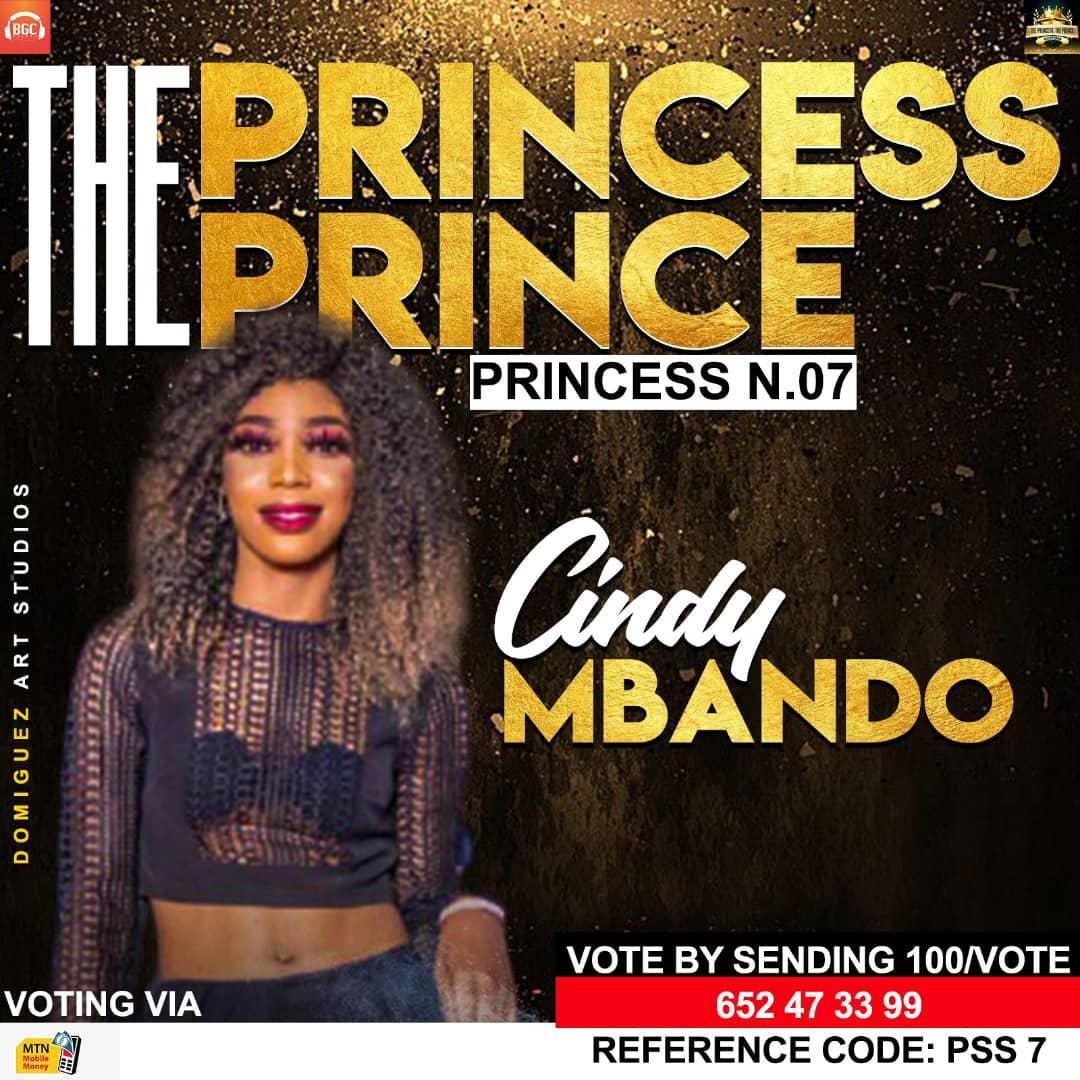
Cindy
-
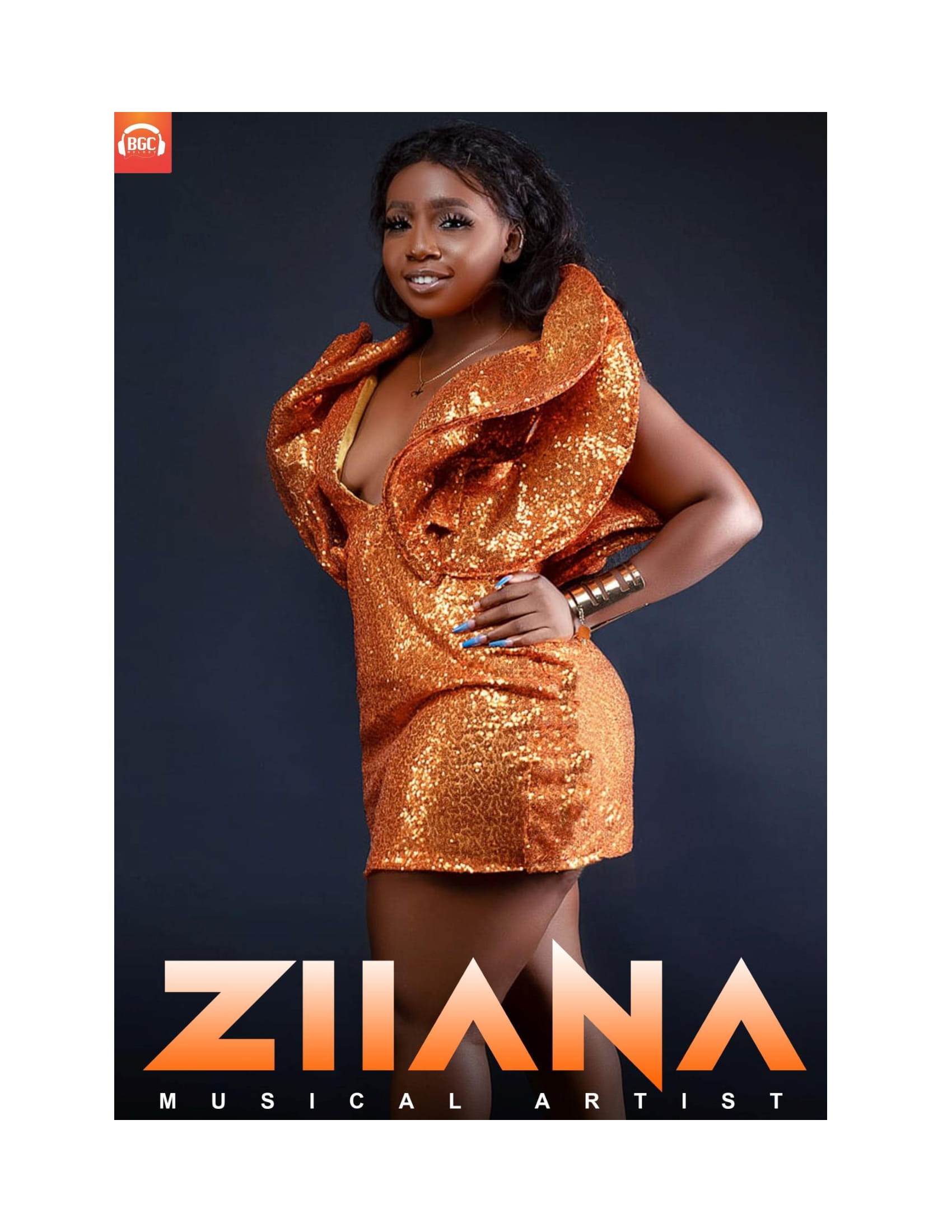
Ziiana
-
Cameroonian artist Tasa
-



Comments
This post currently has no comments.