How to Market Concert Tickets and Fill the Room
A concert can have a strong lineup, a beautiful venue, and a serious production budget, then still underperform because people heard about it too late. Knowing how to market concert tickets means building anticipation before the poster drops, giving fans a clear reason to act, and keeping the conversation alive until doors open.
For African and diaspora artists, ticket marketing is more than filling seats. It proves market demand, creates content, strengthens an artist’s negotiating position, and gives new supporters a real-life connection to the music. The goal is not simply to announce a show. The goal is to make attendance feel like a moment people do not want to miss.
Start With a Ticketable Story
Fans rarely buy a ticket because a flyer says “live concert.” They buy because they understand what makes this night different. Is it an album-release show, a homecoming performance, a first appearance in a new city, an Afrobeats versus amapiano party, or a showcase of rising diaspora talent? Your event needs one clear story that can travel across every post, interview, radio mention, and conversation.
The story should match the audience and the room. A 150-capacity listening-room concert can sell intimacy: an up-close set, live band arrangements, and a chance to meet the artist. A larger club event may sell energy, fashion, dance, DJs, guest appearances, and a cultural community gathering. Do not market both ideas at once. A scattered message makes an event feel optional.
Build your campaign around a simple promise: who the show is for, what will happen there, and why it matters now. Then make sure the event name, key visual, ticket page copy, and artist captions all repeat that promise in their own voice.
How to Market Concert Tickets Before the Announcement
The strongest ticket campaigns begin before tickets go on sale. Start by identifying the people most likely to buy first: existing listeners in the city, past event attendees, friends of the performing artists, cultural organizations, dance communities, college groups, and local tastemakers. These early buyers create the proof that later buyers look for.
Give your core audience a reason to move early. A limited presale code, an early-bird price, a reserved viewing area, or a small meet-and-greet allocation can work well. The offer does not need to be expensive. It needs to be real, time-bound, and easy to understand.
Before launch day, prepare more than one asset. You need a main flyer, vertical video clips, artist talking points, ticket instructions, and a short run of captions that can be customized by each performer. If three artists are on the bill, each artist should have materials that feel personal to their audience rather than reposting the exact same generic graphic.
Also check the buyer experience yourself. Test the ticket link on a phone, confirm the venue address is correct, make the age policy visible, and remove unnecessary steps. Marketing creates interest; a confusing checkout destroys it.
Build the Campaign Around Phases, Not One Post
A ticket link shared once is an announcement, not a campaign. Concert marketing works best when the message changes as the event gets closer.
At launch, lead with the headline: the date, city, venue, artists, and ticket link. In the following weeks, shift toward discovery. Introduce the performers, share a rehearsal moment, post a standout live clip, or let an artist explain what the audience can expect. This is the phase where someone who does not know every name on the lineup decides whether the experience is for them.
As the date approaches, use social proof and urgency. Show early ticket momentum without inventing hype. A real “first release sold out,” “limited advance tickets remaining,” or “new section added” message can move buyers. If sales are slower than expected, do not pretend otherwise. Strengthen the offer with better content, a targeted partner push, a group package, or a clearly framed price deadline.
In the final 72 hours, clarity wins. Post set times, transit or parking guidance, what to wear if there is a theme, and a direct reminder that online ticket sales close at a specific time. People often delay because they have unanswered practical questions, not because they lack interest.
Make Artists the Center of the Sales Engine
Artists can sell tickets in a way that event pages cannot. Their face, voice, and direct invitation carry trust, especially with fans who discovered them through music videos, streaming, radio, or community events.
Ask every artist to make at least one native video invitation. It should not sound like a corporate script. A quick phone video can be more persuasive than a polished trailer if the artist clearly says where they will be, what the night means to them, and why fans should come early. Give artists a unique code or tracking link where possible, so you can see which communities are converting.
Do not rely only on the headliner. Openers, DJs, dancers, hosts, and special guests all bring different circles. Treat each participant as a partner in audience development. Their contribution may be small individually, but together it can change the room.
This is where professional artist management and campaign coordination matter. BGC Melody approaches visibility as a connected system: artist positioning, visual content, publicity, media outreach, and live-event momentum should reinforce each other rather than compete for attention.
Use Local Culture and Media With Purpose
A concert is local, even when the artists have global audiences. Target the places where your city’s music community already gathers: diaspora restaurants, barbershops, beauty salons, dance studios, African grocery stores, campuses, fashion spaces, and community organizations. A poster alone may not sell the room, but a trusted recommendation from the right local connector can.
Radio plugging, local entertainment pages, podcasts, and community publications can help when the pitch is specific. “Artist performs in town” is weak. “Cameroonian singer brings a live band and new EP to Arlington for a diaspora homecoming set” gives media and audiences something tangible to care about.
Paid social can also be effective, but it should support content that already has a clear message. Target by location first, then use relevant music interests, cultural affinities, and video viewers. Avoid spending the entire budget on broad awareness if ticket sales are the goal. Retarget people who watched your videos, engaged with artist posts, or visited the ticket page but did not complete a purchase.
Price for Momentum, Not Just Revenue
Ticket pricing sends a message about value, access, and urgency. A high starting price may protect margins, but it can slow the early momentum that makes an event look alive. A low price can fill the room, but it may leave too little budget for production, artist fees, security, and promotion.
The best choice depends on the artist’s draw, venue size, city, and audience spending habits. Often, tiered pricing is more useful than one flat price. Early tickets reward committed fans, standard tickets become the main offer, and door tickets create a reason not to wait. Group bundles can work especially well for concerts built around community and nightlife, provided the terms are simple.
Do not discount repeatedly without a plan. Constant price cuts train fans to wait. If you need a late push, add value instead: a limited bundle, a partner promotion, or a carefully selected guest announcement.
Track What Is Moving Tickets
Views and likes can signal awareness, but they do not always signal sales. Watch the numbers that tell you where buyers come from: ticket purchases by source, sales after each artist post, email opens, video completion, retargeting conversions, and the pace of sales by ticket tier.
Use those signals to adjust quickly. If one artist’s video drives purchases, put paid support behind it. If a city-specific reel gets comments but no clicks, rewrite the call to action and make the ticket link more visible. If an interview creates a sales bump, turn that interview angle into more short-form content.
After the event, keep the audience close. Capture emails or SMS opt-ins where appropriate, post quality crowd footage quickly, thank attendees, and announce the next release, video, or show while the energy is still fresh. A sold-out room is valuable once. A community that returns is the real business.
Every ticket sold represents a person choosing to spend time, money, and attention on the culture you are building. Give them a clear invitation, a believable reason to come, and an experience worth talking about on the way home.
Latest Movie
The Princess, The Prince Reality TV Show
Cindy MbandoContestant Number: Princess 07To vote for her, send momo to 652473399 and write PSS 07 as REFERENCE.NOTE: 1 vote is 100FCFA, and it is through the momo number given above. You can vote as many times as you can. Remember, momo vote is 70%.Also like, comment, and share this video as many times as possible to maximize her chances.The Princess, The Prince Reality TV Show.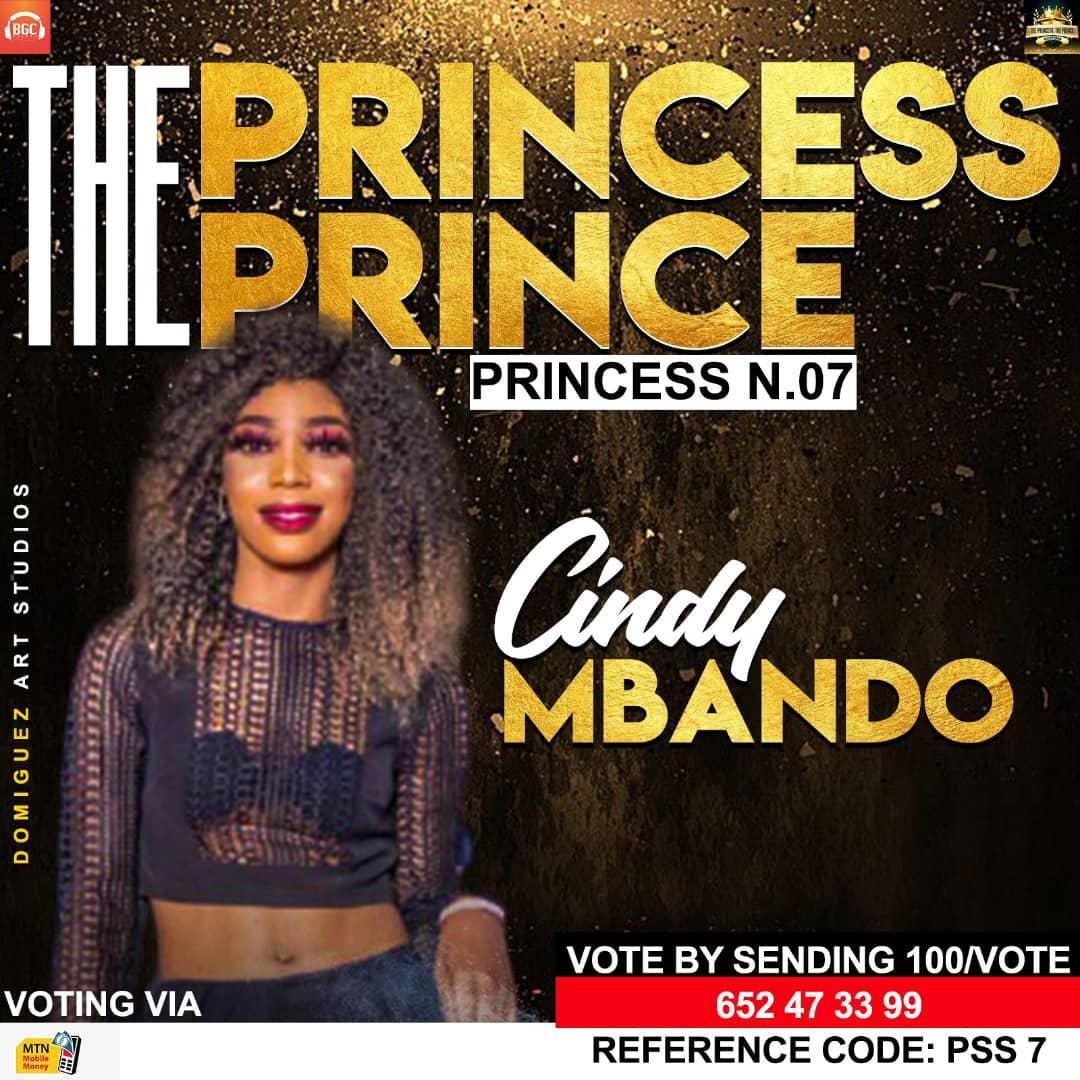
Cindy
-
Ziiana
-
Cameroonian artist Tasa
-





Comments
This post currently has no comments.