
Why Songs Need Metadata Before Release Day

A great record can move a crowd from Yaounde to Washington, DC. But if its information is missing or wrong, the business around that record can stop moving. That is why songs need metadata: it tells every platform, publisher, radio team, journalist, and royalty system exactly what the music is, who made it, and where the money should go.
For independent African and diaspora artists, metadata is not paperwork to handle after the studio session. It is release infrastructure. It supports discovery, protects credits, makes campaigns easier to run, and gives a serious song a better chance of being recognized as a serious commercial asset.
Why Songs Need Metadata for Growth and Income
Metadata is the structured information attached to a track or release. Listeners may never see most of it, but streaming services, digital stores, collection societies, distributors, and media outlets rely on it every day.
When a fan searches for an artist, saves a song to a playlist, checks lyrics, or shares a release, metadata helps the right music appear. When a station reports a spin, when a platform processes streams, or when a licensing opportunity arrives, metadata helps identify the correct recording and its rights holders.
Without it, your music can still go live. The problem is that it may go live with weak foundations. A song might display under the wrong artist profile, leave out a featured performer, carry an inconsistent title, or fail to connect with the people who should receive credit and royalties. Fixing those errors after release can take time, and time matters when a campaign is active.
For an artist building an audience across borders, clarity is especially valuable. A name spelled one way on a single and another way on an EP can confuse platforms and fans. A producer credit missing from a release can create avoidable tension. A track that cannot be matched correctly in reporting may leave revenue and opportunities harder to trace.
Metadata makes the music legible to the industry.
The Information Every Release Should Have
Before distribution, create one approved metadata sheet for the full project. Do not depend on old text messages, memory, or a last-minute group chat. The sheet should be checked by the artist, manager, producer, and anyone responsible for rights administration.
At minimum, include the exact track title, primary artist name, featured artist names, album or EP title, version information, genre, language, explicit-content status, release date, and label name. Keep spelling, punctuation, capitalization, and accents consistent across every asset. If the record is called “No Pressure,” do not submit it as “No pressure” in one place and “No Pressure ft. K-Dash” in another.
Credits deserve the same care. List songwriters, composers, producers, performers, mixers, mastering engineers, and publishers using their approved professional names. Where a contributor has a legal name and an artist name, record both wherever your administrator or distributor requires them.
Then come the identifiers. An ISRC identifies a specific sound recording. A UPC or EAN identifies the wider product, such as a single, EP, or album. These codes are not glamorous, but they are essential for tracking recordings and releases through the digital marketplace. If a song is remixed, edited, recorded live, or released in a substantially different version, it may require a separate ISRC.
Also capture ownership details: who owns the master recording, who controls the composition, which publishers are involved, and what percentage each writer owns. This is where artists need to slow down. Equal creative contribution does not automatically mean equal ownership. A fair split depends on the agreement between the people who created the song.
Credits Are Culture, Business, and Protection
African music is built through collaboration. A producer may shape the sonic identity of a track. A songwriter may create the hook. A vocalist may turn a demo into the version fans know. A featured rapper can bring a new market to the release. Those contributions should not disappear because the session ended at 3 a.m. and nobody documented the details.
Accurate credits honor the people behind the music. They also build careers. Producers get discovered through credits. Writers use their catalogs to prove their work. Engineers gain future clients when their names travel with a strong release. For emerging talent, every properly credited song becomes part of a professional record.
There is a practical side as well. Credits can affect royalty claims, publishing registrations, sync conversations, press materials, and disputes. If there is confusion later, a clean metadata sheet, split sheet, session files, and written agreement give everyone a clearer starting point.
Do not treat split discussions as a sign of distrust. Treat them as a sign that the team expects the record to succeed. Handle the conversation while the creative details are fresh and before the track starts generating attention.
Metadata Helps Fans Find the Right Record
Discoverability is more than uploading a cover image and waiting for streams. Platforms need signals that help classify and surface your music. Titles, genres, subgenres, languages, moods, lyrics, and artist associations can all influence how a release is organized and presented.
That does not mean selecting every genre that sounds attractive. Over-tagging can make a release look unfocused and may confuse recommendation systems. Choose the most accurate categories for the sound and audience. An Afrobeats record with amapiano influence may need a different positioning from a Congolese rumba-inspired track, a gospel song, or a drill release from the diaspora.
Lyrics are part of this picture. Correct lyrics give fans something to sing, quote, and share. They can improve the listening experience for audiences hearing an artist for the first time, especially when songs include Pidgin, French, Lingala, Swahili, Duala, or a blend of languages. Provide lyrics exactly as intended, then review them closely. Incorrect transcriptions can change meaning, flatten cultural references, and create a poor first impression.
Artist names require special discipline. Decide how your name will appear everywhere: on streaming platforms, social channels, press releases, video credits, and artwork. If you work under one stage name, protect that consistency. If there are other artists with a similar name, accurate profiles and identifiers become even more important.
Better Metadata Makes Marketing Stronger
A release campaign runs on details. A publicist needs the correct artist bio, track title, release date, producer credits, and listening language. A radio plugger needs a clean version designation, genre, run time, and contact information. A video team needs the official song title and performer credits. A manager needs a reliable record of rights and release history.
When metadata is organized early, the campaign moves faster. Your cover art, electronic press kit, social captions, distributor submission, music video description, and radio materials all pull from the same verified source. That consistency makes an artist look prepared, even at the first-release stage.
It also helps when opportunities come quickly. A blogger asks who produced the track. A promoter needs the approved title for a flyer. A curator wants the story behind the record. A brand asks whether the instrumental is available for a campaign. You should not have to chase five people for basic facts while attention is building.
For teams managing releases across Africa, the United States, Europe, and the wider diaspora, include territory and rights notes where needed. Distribution may be global, but permissions are not always global. Samples, featured verses, beats, publishing arrangements, and exclusive licenses can all shape where and how a song may be used.
Build Metadata Into the Recording Process
The best time to collect metadata is not release morning. Start in the studio. Create a session document for every record and update it as the song develops. Confirm legal names, professional names, roles, contact details, and ownership discussions before people lose touch or memories differ.
Before delivery, run a final release check. Compare the distributor form against the artwork, final audio file names, lyric document, split sheet, and campaign copy. Verify that featured artists approved how their names appear. Confirm that writers and producers are listed correctly. Make sure the release date gives the marketing team enough runway instead of forcing everyone into a rushed rollout.
There is one trade-off worth understanding: more detailed metadata requires more coordination. For a solo artist with no collaborators, the process is simple. For a multi-writer song with international contributors, samples, and several versions, it takes more time. That extra time is cheaper than untangling credits, royalties, and platform corrections after the release is already public.
At BGC Melody, we see music as both culture and commercial property. The record deserves a campaign with energy, but it also deserves information that can travel accurately through every part of the business.
Before you announce the next single, give the song its full name, its full story, and its full list of contributors. Then let the audience press play with the confidence that every stream, credit, and opportunity can find its way back to the people who made the music possible.
Latest Movie
The Princess, The Prince Reality TV Show
Cindy MbandoContestant Number: Princess 07To vote for her, send momo to 652473399 and write PSS 07 as REFERENCE.NOTE: 1 vote is 100FCFA, and it is through the momo number given above. You can vote as many times as you can. Remember, momo vote is 70%.Also like, comment, and share this video as many times as possible to maximize her chances.The Princess, The Prince Reality TV Show.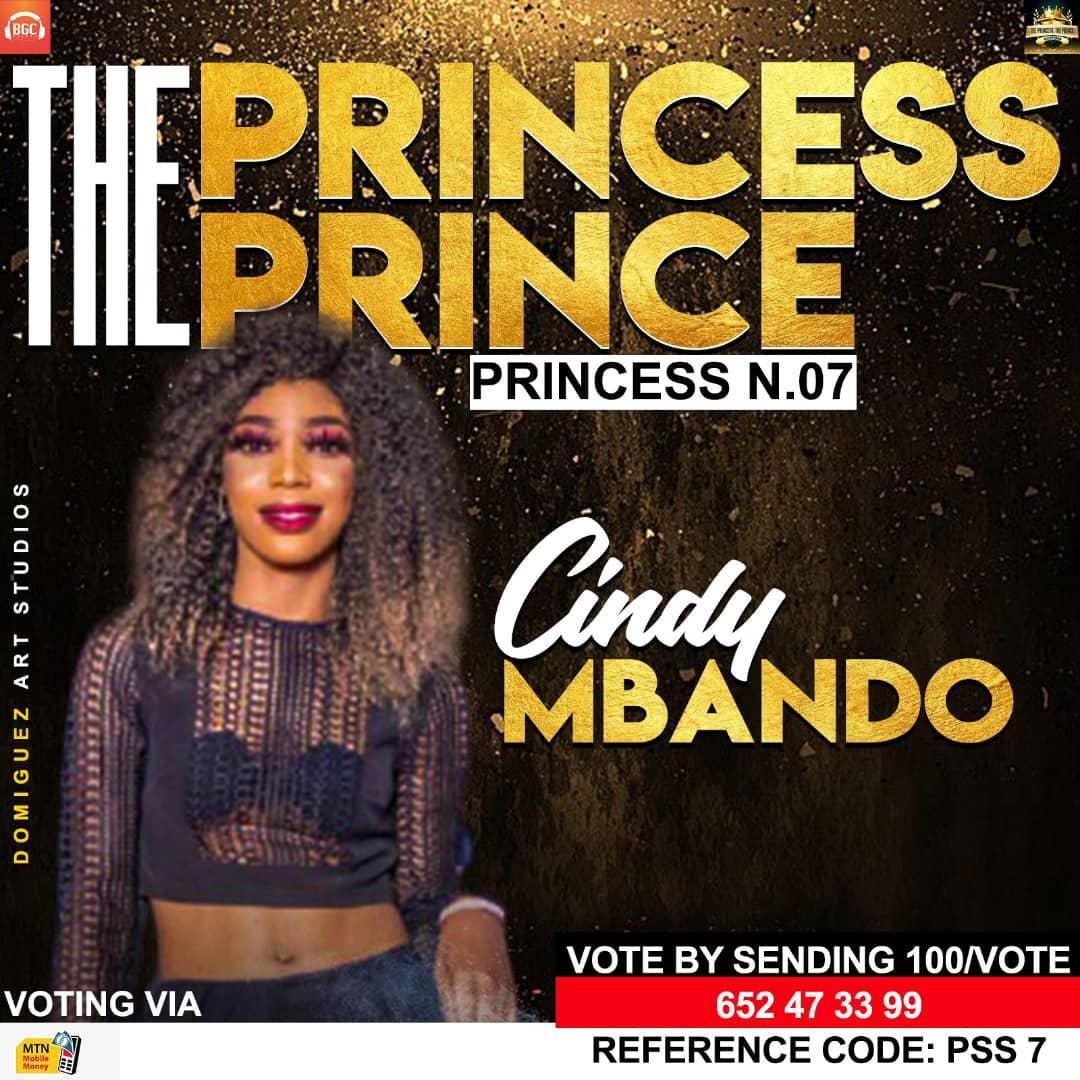
Cindy
-
Ziiana
-
Cameroonian artist Tasa
-








Comments
This post currently has no comments.