
Record Label Versus Distributor: Choose Your Path

A strong song can travel from Yaounde to Atlanta, Kinshasa to London, or Lagos to Los Angeles in a single weekend. But getting music onto streaming platforms is not the same as building a career around it. The record label versus distributor decision determines who is investing in your release, who controls key rights, and who is responsible when the first week needs more than a post and a prayer.
For African and diaspora artists working across borders, the choice is especially significant. Your audience may be spread across several countries, your sound may need cultural context in the press, and your video, radio, and live opportunities may be as important as playlist placement. The right partner depends on where you are now and what your next release needs to achieve.
Record Label Versus Distributor: The Core Difference
A distributor delivers your music to digital stores and streaming services. Think Spotify, Apple Music, Amazon Music, YouTube Music, TikTok music libraries, and other platforms. In return, a distributor usually charges a subscription, a per-release fee, a commission on earnings, or a combination of these. Distribution is primarily an access and delivery service.
A record label is a business partner in the recording career. A label may distribute the music too, but its real role is larger: A&R direction, recording budgets, release strategy, marketing, public relations, video support, radio promotion, brand partnerships, and artist development. In exchange, the label typically takes a share of revenue and may acquire or license rights to the master recordings for a defined period.
That distinction matters because a distributor can put your single online without making anyone care about it. A label should have a plan to create attention, convert attention into listeners, and turn momentum into a longer-term opportunity.
What a Distributor Does Well
Distribution is often the right starting point for an artist who has finished music, understands their audience, and has the discipline to run a release campaign independently. It gives you speed, flexibility, and a direct view of your catalog.
With a distribution deal, you normally keep more control over your masters and creative decisions. You can choose your release date, artwork, featured artists, and rollout pace. If a song is gaining traction, you can move quickly with a remix, performance video, dance challenge, or follow-up record without waiting for a large company’s approval process.
This model can work particularly well when you already have a functioning team. Maybe your manager handles negotiations, your publicist has media relationships, your videographer is ready for content, and your social channels consistently reach real fans. In that situation, distribution becomes the back-end engine while you build demand from the front end.
The limitation is clear: delivery is not development. Uploading a record does not secure interviews, organize radio servicing, place your artist story in the right cultural conversation, or finance a visual campaign. Some distributors offer add-on marketing services, but those services vary widely in quality and attention. Read the agreement closely before assuming promotion is included.
What a Record Label Brings to a Release
A good label does more than announce a release date. It helps answer the difficult questions before money is spent: Is this the right single? Is the hook landing quickly enough? Does the artist need a feature? What visual world fits the record? Which markets should receive focused attention first?
A label may fund recording, mixing, mastering, artwork, video production, digital advertising, press outreach, radio plugging, and release events. It may also connect artists with producers, writers, DJs, presenters, playlist editors, brand partners, and booking opportunities. For a developing artist, that network can compress years of trial and error.
The strongest label relationship is not about taking control for the sake of it. It is about creating a campaign that your music could not realistically carry alone. For African pop, rap, gospel, dance, and diaspora crossover records, that may mean pairing a digital release with targeted media, culturally fluent storytelling, a music video, and outreach in more than one territory.
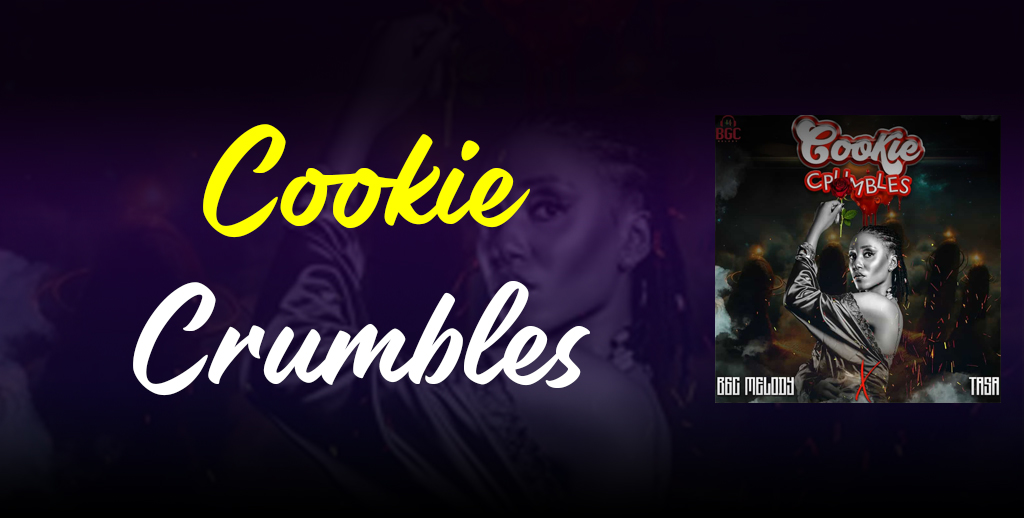
BGC Melody operates in this integrated space, where release distribution can be supported by artist development, publicity, visual content, radio promotion, and cross-border positioning. That kind of support is valuable when an artist needs a coordinated campaign rather than a simple upload.
Still, label support comes at a price. The label may recoup its investment from your royalties before you receive income. It may ask for a long license term, options on future projects, approval rights, or a share of income streams beyond recorded music. A larger advance can feel like a win, but it is usually an advance against future earnings, not a bonus with no strings attached.
Ownership Is Not a Small Contract Detail
Your master is the recorded version of your song. It is separate from the composition, which covers the lyrics and underlying music. When you compare label offers and distribution options, ask exactly who owns the master, for how long, and in which territories.
Many independent distribution arrangements allow you to retain master ownership. A label might own the master permanently, license it for a number of years, or create a joint-venture structure. None of these is automatically bad. A label taking rights can be reasonable if it is investing meaningful capital, expertise, and measurable effort. The question is whether the value it provides matches what you are giving up.
Pay attention to recoupment as well. If a label spends $20,000 on recording and marketing, does every dollar recoup from your artist royalty? Are video costs included? Are overhead or administration charges added? What happens if the campaign underperforms? Clear language protects relationships when the numbers become real.
Choose Distribution When You Can Create Demand
Choose a distributor when you have the budget and operating discipline to lead your own campaign. This is often a smart route if you have a defined fan base, reliable content production, access to marketing talent, and enough cash to sustain promotion for several weeks after release day.
It also makes sense for artists testing their sound. If you are releasing consistently and learning which songs connect, keeping flexibility can be more valuable than committing a full project to a label too early. A distributor lets you collect data, build negotiating power, and approach future partners with proof rather than promises.
But be honest about your capacity. If you are writing, recording, editing videos, booking shows, managing social media, handling business emails, and trying to pitch media alone, independence can become expensive in a different way: lost focus. Music careers stall when good records receive no organized follow-through.
Choose a Label When the Partnership Is Specific
A label can be the better move when the team has a credible plan for your music and the resources to carry it out. Do not sign because the company has a recognizable name or because someone says they believe in your talent. Ask what they will do in the first 90 days, which markets they see as priorities, what budget is allocated, and who on the team owns your project.
The best partners can explain how they will build on your current strengths. If your music already connects with Cameroonian diaspora listeners, for example, the plan may include US-based African media, targeted community radio, video placement, live appearances, and collaborations that widen the audience without erasing your identity.
A label deal is less attractive when the promises are broad but the commitments are vague. Watch for contracts that demand multiple albums, broad ownership, and long options while offering no defined marketing spend, release timeline, or reporting structure. Creative ambition deserves commercial clarity.
Questions to Ask Before You Sign or Upload
Whether you are considering a distributor or label, get answers in writing. Ask how and when royalties are reported, what percentage is retained, whether you can leave the agreement, and whether your music can be moved to another partner later. Confirm who handles content claims, metadata errors, takedowns, and neighboring-rights collection.
For a label proposal, ask who pays for the music video, press campaign, radio promotion, and advertising. Ask whether those costs are recoupable and whether you have approval over major creative decisions. For distribution, ask what support is actually included beyond delivery and whether premium services are optional or required.
An entertainment attorney or experienced manager should review any meaningful agreement before you sign. The cost of advice before a deal is usually far lower than the cost of escaping a poor one after your song starts moving.
Build the Team Your Stage Requires
There is no universal winner in the record label versus distributor debate. Distribution favors control and flexibility. A label can bring investment, structure, and market reach. The better option is the one that matches your current leverage, your financial reality, and the level of support your release genuinely needs.
Do not choose a partner because you are afraid to do the work alone. Choose one because it makes the work stronger, more visible, and more sustainable. Your next release should not only be available everywhere – it should arrive with a clear story, a committed team, and a reason for listeners to come back.
Latest Movie
The Princess, The Prince Reality TV Show
Cindy MbandoContestant Number: Princess 07To vote for her, send momo to 652473399 and write PSS 07 as REFERENCE.NOTE: 1 vote is 100FCFA, and it is through the momo number given above. You can vote as many times as you can. Remember, momo vote is 70%.Also like, comment, and share this video as many times as possible to maximize her chances.The Princess, The Prince Reality TV Show.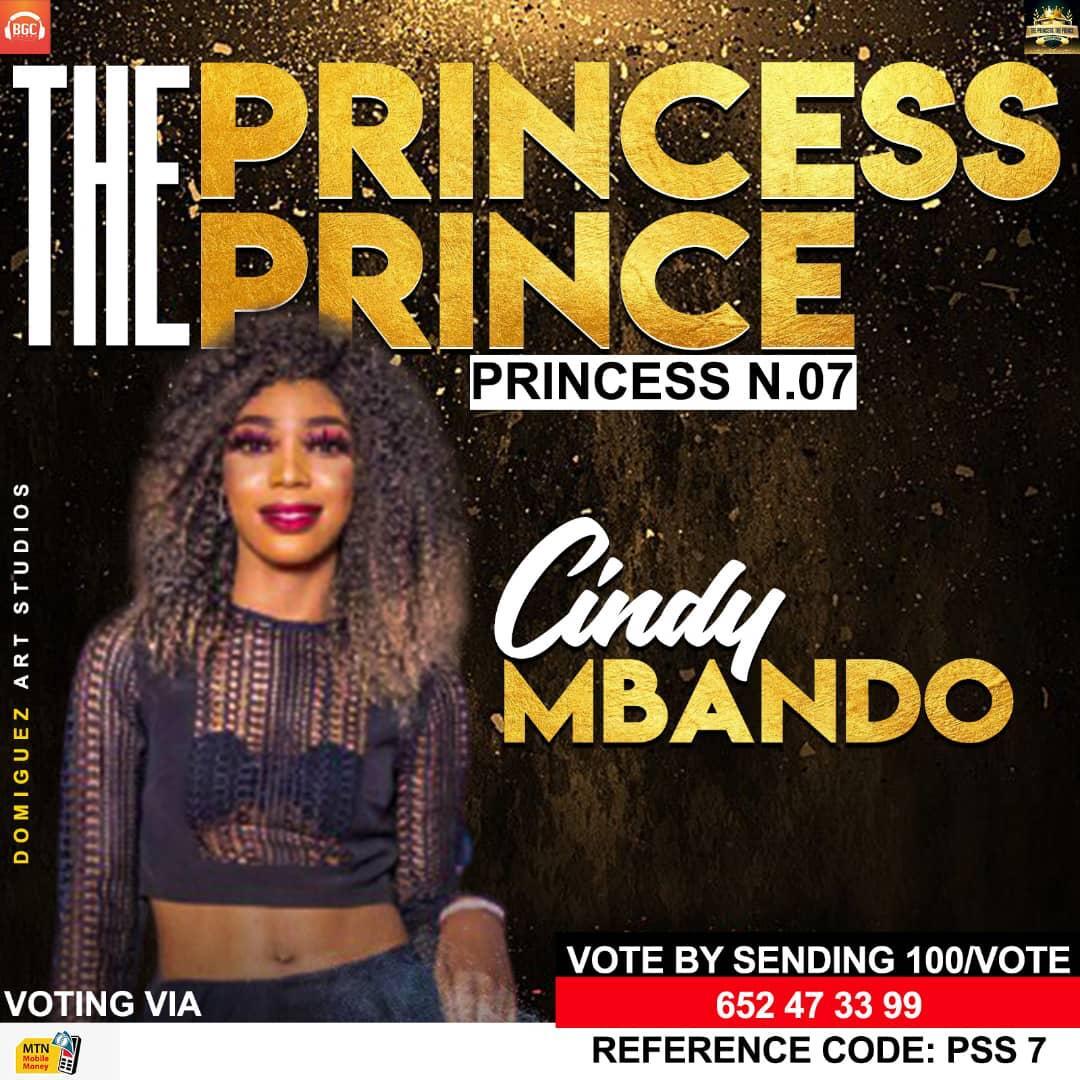
Cindy
-
Ziiana
-
Cameroonian artist Tasa
-







Comments
This post currently has no comments.